


Panasonic
Panasonic 4A 12VDC 4PST Relay S2EB-L2-12V
Through-hole 4PST relay switches 4 A at 250 VAC or 48 VDC with a 12 VDC dual-coil latching design
- Dual-coil latching holds state without continuous power
- 4-pole double-throw switches two circuits simultaneously
- 4 A at 250 VAC handles moderate AC loads
- Sealed construction resists dust and moisture ingress
- Low 16.7 mA coil current reduces drive requirements
Panasonic 12 V Latching Relay
This Panasonic S-series relay switches up to 4 A at 250 VAC or 48 VDC. It uses a through-hole PC-pin mount and a sealed enclosure. The dual-coil latching design holds position without continuous coil power. It operates from -55 °C to 65 °C.
12 VDC Coil With 720 Ω Resistance
The coil draws 16.7 mA at 12 V and requires at least 8.4 V to operate. Operate and release times are both 15 ms. Silver-alloy contacts are cadmium-free and rated for 4 A switching current.
For Low-Power PCB Switching Circuits
Suits designers needing a compact, sealed latching relay for signal or light-load power routing on a printed circuit board. Not for buyers who need higher contact current, surface-mount terminals or a non-latching coil.
Highlights
- Dual-coil latching holds state without continuous power
- 4-pole double-throw switches two circuits simultaneously
- 4 A at 250 VAC handles moderate AC loads
- Sealed construction resists dust and moisture ingress
- Low 16.7 mA coil current reduces drive requirements
Specifications
| Brand | Panasonic |
|---|
Questions about this item
What does the 4 A contact rating mean when the relay is installed in a circuit?
It means each contact set can carry up to 4 A continuously without overheating, so the load on any pole must stay at or below that value.
The coil is rated at 12 VDC with a must-operate voltage of 8.4 VDC — what does that tell me about the drive circuit?
The relay will reliably pull in once the coil sees at least 8.4 VDC, so a 12 V supply with normal tolerance gives reliable operation.
The mounting type is through hole with PC pin termination — what board layout does that require?
You need plated through-holes spaced to the relay's pin pitch; the pins are soldered on the opposite side of the board.
Also in this aisle
People compared these
Same shelf, same checkout — eight coins and a 30-minute rate lock.




SIEMENS
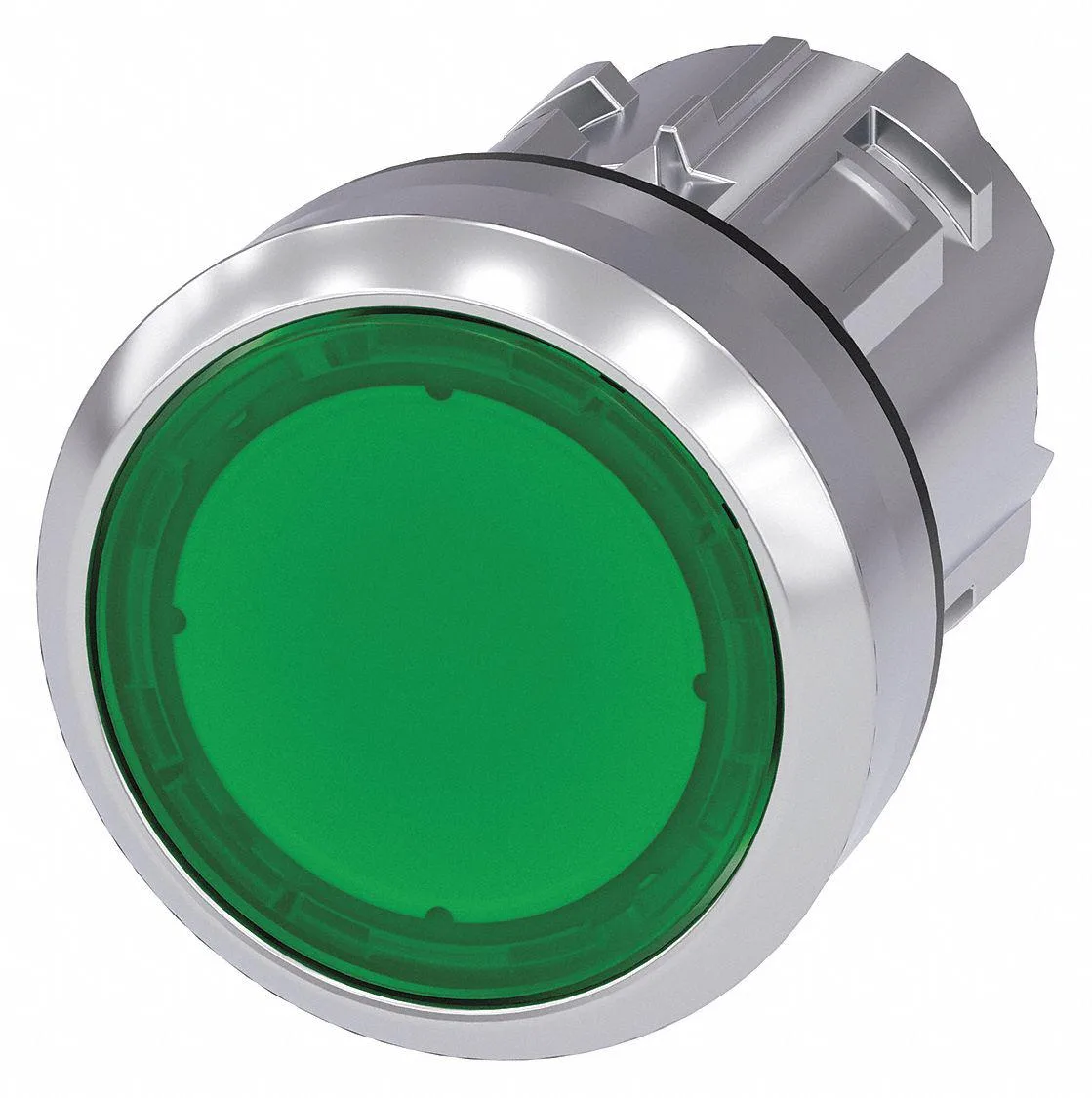
SIEMENS 52PP2D2AB 30 mm Illuminated Push Button Red 24 V LED 1NO/1NC
$179.99
0.00208476BTC
In stock