


Festo
Festo DZF-32-100-P-A 164044 Flat Cylinder electrician tool
A flat cylinder with 32 mm bore and 100 mm stroke for pneumatic automation tasks
- TypeTest Equipment
- Color/FinishRed
- Item Count1 pack
- Selling UnitBox
- Parts3 Years
- Labor1 Year
- Compact flat cylinder fits tight installation spaces
- 32 mm bore delivers consistent pneumatic force
- 100 mm stroke covers standard actuation travel
- Festo engineering ensures reliable long-term operation
- Red finish allows quick visual identification on site
Flat cylinder for electrician tasks
The Festo DZF-32-100-P-A is a flat cylinder designed as test equipment for electrician work. It arrives new in a single pack with a red finish and carries the manufacturer part number 164044.
Suited for compact linear actuation.
This unit suits technicians who need a low-profile pneumatic actuator for testing or light positioning tasks. It is not intended for applications that demand high thrust or long-stroke performance beyond the 100 mm stroke length.
100 mm stroke defines the travel distance
The 100 mm stroke is the key specification that determines whether the cylinder fits the required range of motion. Verify this length against the application before purchase.
Highlights
- Compact flat cylinder fits tight installation spaces
- 32 mm bore delivers consistent pneumatic force
- 100 mm stroke covers standard actuation travel
- Festo engineering ensures reliable long-term operation
- Red finish allows quick visual identification on site
Specifications
| Brand | FESTO |
|---|---|
| Model | DZF-32-100-P-A |
| Type | Test Equipment |
| Color/Finish | Red |
| Item Count | 1 pack |
| Selling Unit | Box |
| Parts | 3 Years |
| Labor | 1 Year |
Questions about this item
How often should the seals on the 32 mm bore be inspected or replaced?
The cylinder uses standard pneumatic seals; plan a visual check at each scheduled machine service interval and replace them if wear or leakage appears.
What limits continuous operation of the 100 mm stroke cylinder first?
Sustained cycling is typically constrained by heat build-up in the cylinder body and seal friction rather than a fixed cycle count.
Does the flat cylinder generate noticeable noise or heat when running all day?
It produces normal pneumatic exhaust noise and modest body warmth; excessive heat or loud banging signals a need for flow control or seal service.
Also in this aisle
People compared these
Same shelf, same checkout — eight coins and a 30-minute rate lock.




SIEMENS
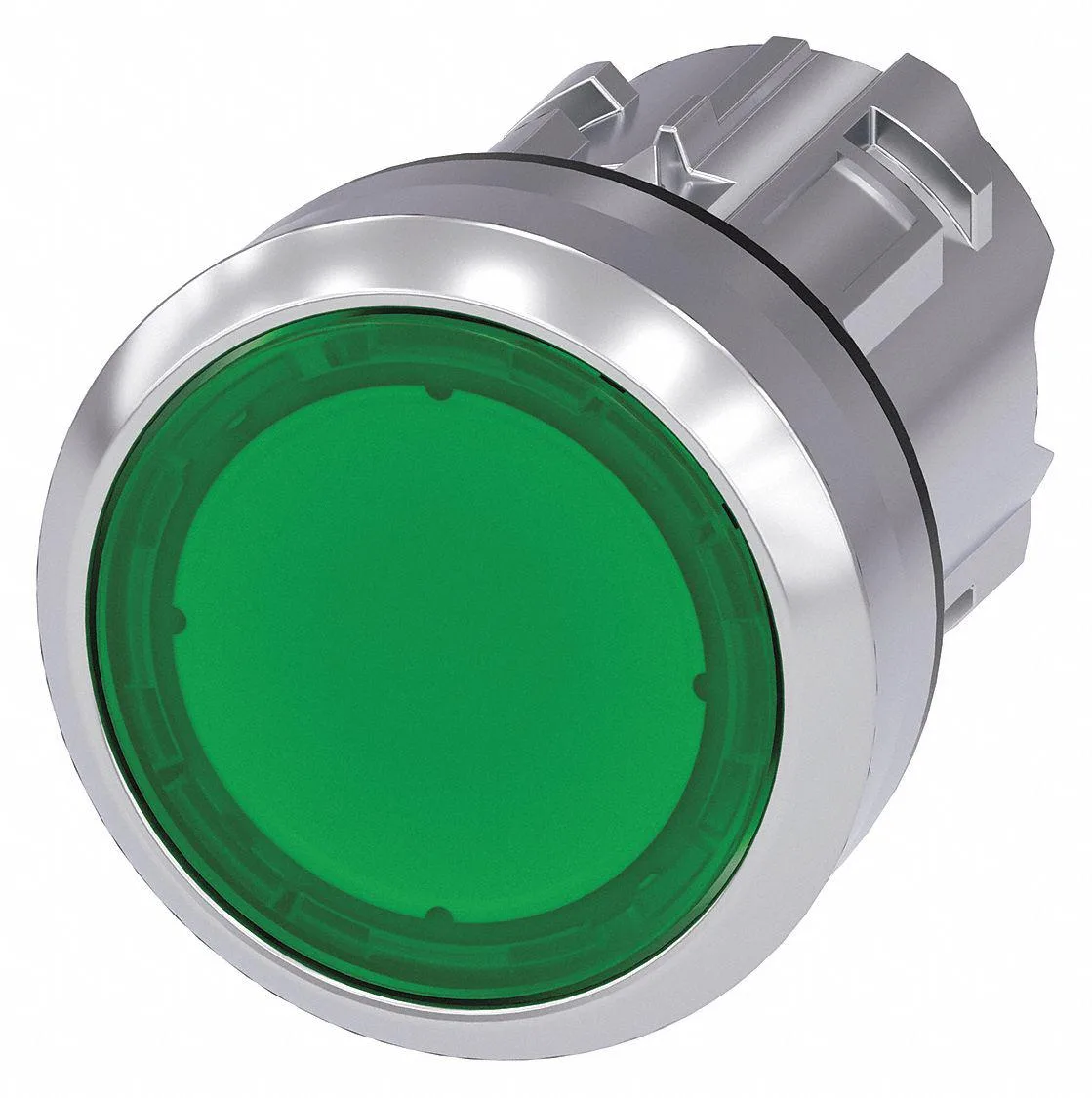
SIEMENS 52PP2D2AB 30 mm Illuminated Push Button Red 24 V LED 1NO/1NC
$179.99
0.00212588BTC
In stock