

Control Devices
Control Devices VRGSS025-001 Vacuum Relief Valve 1/4" NPT
Protects low-pressure tanks, steam vessels and vacuum equipment with a stainless-steel proportional relief valve rated to 13.3 psi and 400 °F
- Protects low-pressure tanks with proportional relief up to 13.3 psi
- Stainless steel body resists corrosion in steam and vacuum service
- Operates reliably from -20 °F to 400 °F
- 1/4" NPT male inlet fits standard piping
- Flow capacity up to 5 cfm for efficient venting
Vacuum Relief Valve 1/4" NPT
The Control Devices VRGSS025-001 is a proportional relief valve designed for low-pressure tanks, steam vessels and vacuum equipment. It features a stainless steel body with a male 1/4 inch NPT inlet connection. The valve operates between -20 and 400 degrees Fahrenheit.
Replaces fixed-pressure safety devices
This valve upgrades systems that currently rely on non-adjustable or single-point relief mechanisms by providing proportional opening across a pressure range. The jump is worth it when equipment requires relief that responds gradually to changing vacuum conditions rather than popping fully open at a set threshold.
Limited to 5 cfm maximum flow
The proportional relief design handles a maximum flow rate of 5 cfm and a maximum operating pressure of 13.3 psi. Applications demanding higher flow capacity or pressure settings beyond this range cannot be served by this valve.
Highlights
- Protects low-pressure tanks with proportional relief up to 13.3 psi
- Stainless steel body resists corrosion in steam and vacuum service
- Operates reliably from -20 °F to 400 °F
- 1/4" NPT male inlet fits standard piping
- Flow capacity up to 5 cfm for efficient venting
Specifications
| Brand | CONTROL DEVICES |
|---|
Questions about this item
Will the 1/4" NPT male inlet thread fit my low-pressure tank port?
The valve has a 1/4 inch NPT male inlet connection designed for low-pressure tanks, steam vessels and vacuum equipment.
How do I install the valve and what step is often missed?
Thread the male NPT inlet into the tank port using pipe sealant, then torque to spec; the step often missed is confirming the flow direction arrow points toward the vacuum source.
When should I plan to replace the valve given its operating limits?
Replace if the valve no longer opens at the 0 in Hg to 13.3 psi cracking range or if the stainless body shows corrosion after exposure beyond -20 °F to 400 °F.
Also in this aisle
People compared these
Same shelf, same checkout — eight coins and a 30-minute rate lock.




SIEMENS
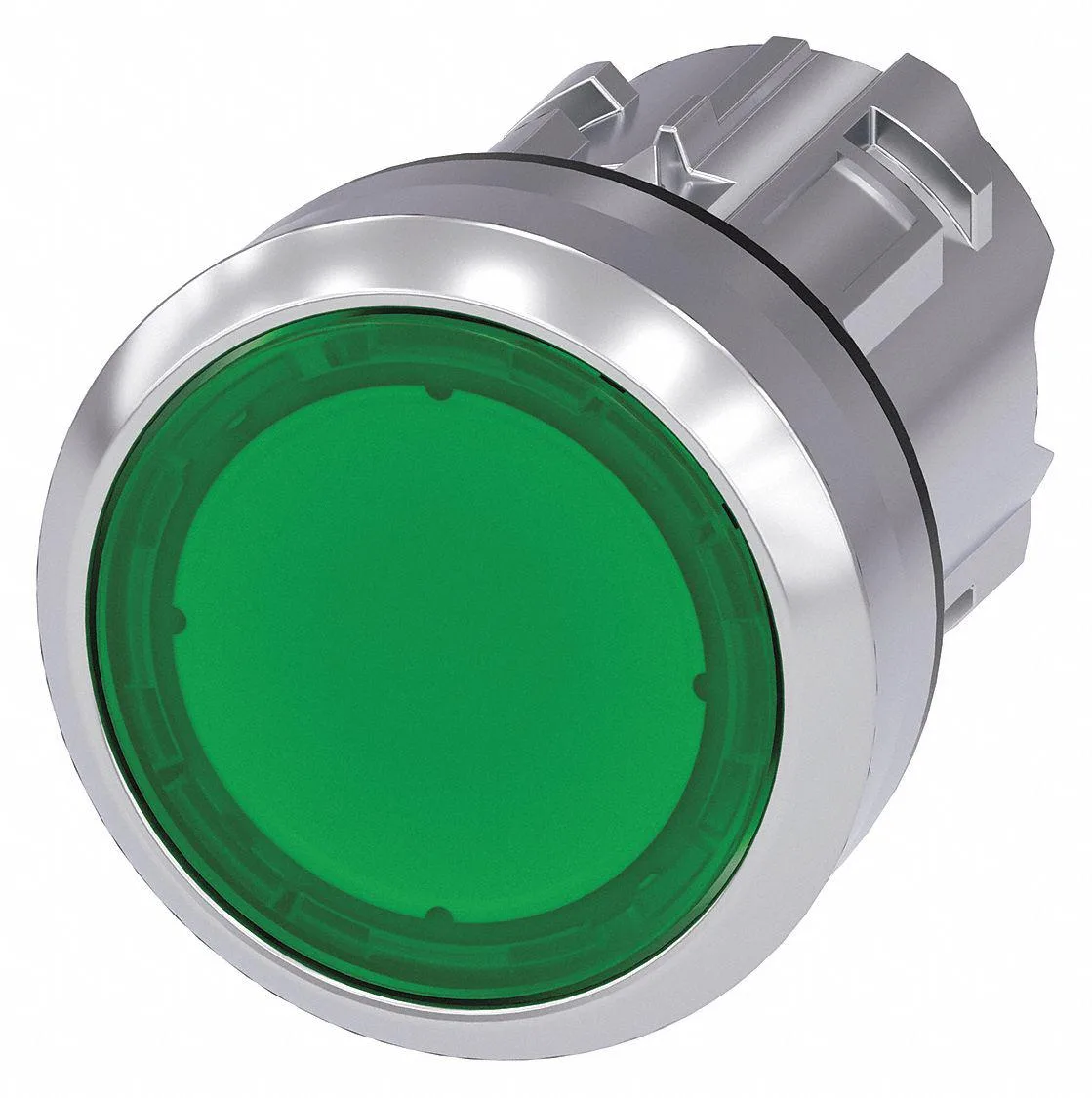
SIEMENS 52PP2D2AB 30 mm Illuminated Push Button Red 24 V LED 1NO/1NC
$179.99
0.00213861BTC
In stock