


Belva Products
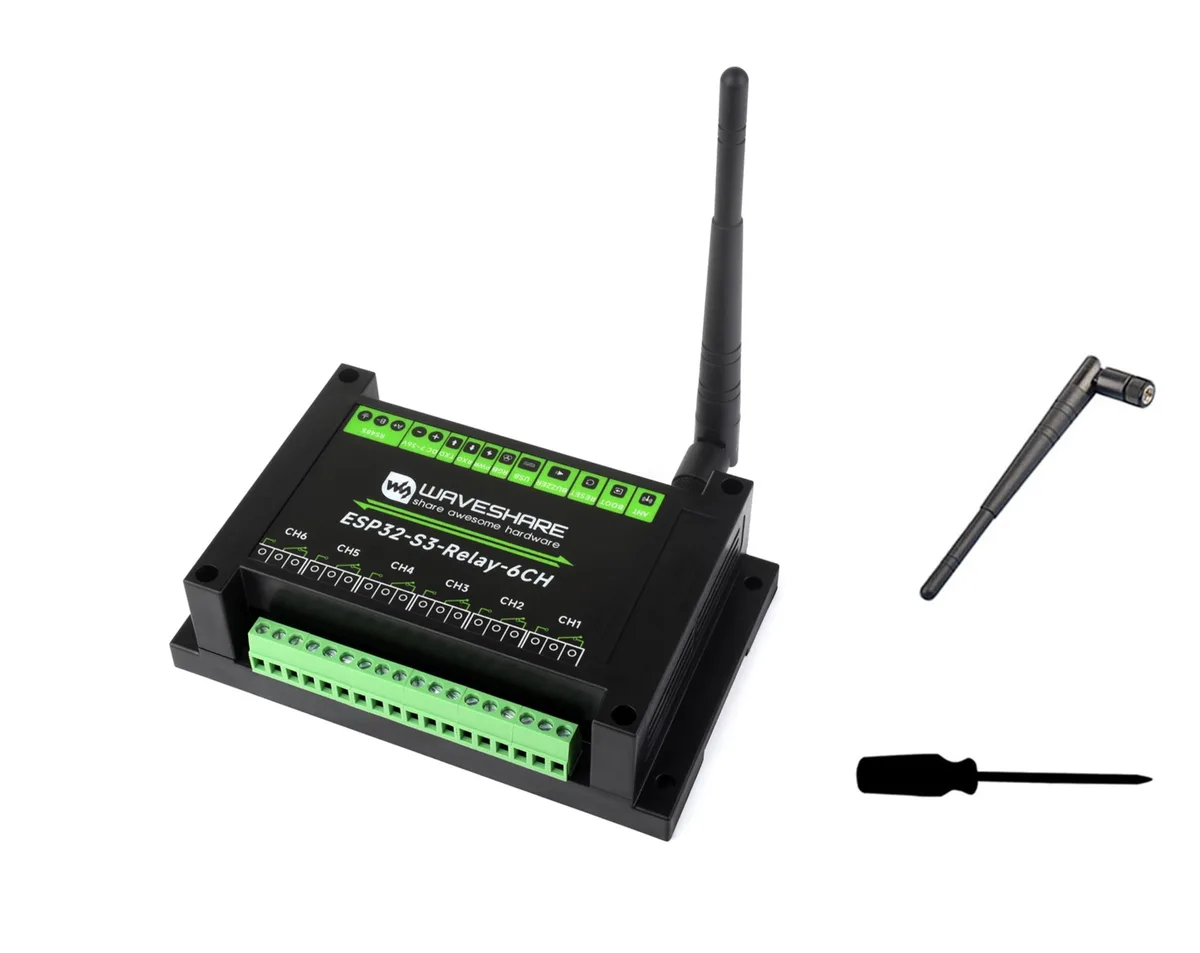
Belva Products Industrial 6-Channel ESP32-S3 WiFi Relay Module
Six-channel relay board driven by an ESP32-S3 dual-core processor at 240 MHz with 2.4 GHz wireless, isolated RS485, and a 40-pin Pico HAT header for RTC, CAN, RS232 or LoRa expansion.
- Industrial-grade control with six relay channels
- Dual-core 240 MHz processor handles complex tasks
- 4 GHz Wi-Fi plus Bluetooth LE connectivity
- Isolated RS485 and 40-pin Pico HAT expansion
- Wide 7–36 V power input via screw terminal
Six-channel ESP32-S3 relay module for industrial
This new module provides six relay channels controlled by an ESP32-S3 microcontroller running at 240 MHz. It targets engineers and system integrators building remote switching or monitoring systems. The board combines wireless and wired control in a single unit.
Onboard isolated RS485 interface for Modbus networks
The isolated RS485 port connects directly to industrial Modbus sensors or modules without extra hardware. Dual-mode 2.4 GHz wireless adds Wi-Fi and Bluetooth LE for remote operation. A 40-pin header accepts compatible Raspberry Pi Pico HATs to add functions such as RTC, CAN, RS232 or LoRa.
USB-C for power and firmware.
Power the board via USB-C or the screw terminal that accepts 7 to 36 V input for industrial supplies. The header matches specific Pico HAT pinouts, so verify compatibility before purchasing. Builders needing more than six channels or a different wireless band should look elsewhere.
Highlights
- Industrial-grade control with six relay channels
- Dual-core 240 MHz processor handles complex tasks
- 4 GHz Wi-Fi plus Bluetooth LE connectivity
- Isolated RS485 and 40-pin Pico HAT expansion
- Wide 7–36 V power input via screw terminal
Specifications
No published specifications for this item yet.
Questions about this item
How fast does the ESP32-S3 processor run inside the module?
The dual-core Xtensa LX7 runs at 240 MHz, so logic, networking and relay timing all execute at that clock speed.
What does the onboard RS485 interface actually connect to in practice?
It links the module to Modbus industrial devices or sensors over a two-wire bus with optocoupler isolation.
What voltage range can I feed into the screw terminals for power?
The wide-input supply accepts 7 to 36 V DC, making it suitable for typical industrial rail voltages.
Also in this aisle
People compared these
Same shelf, same checkout — eight coins and a 30-minute rate lock.




SIEMENS
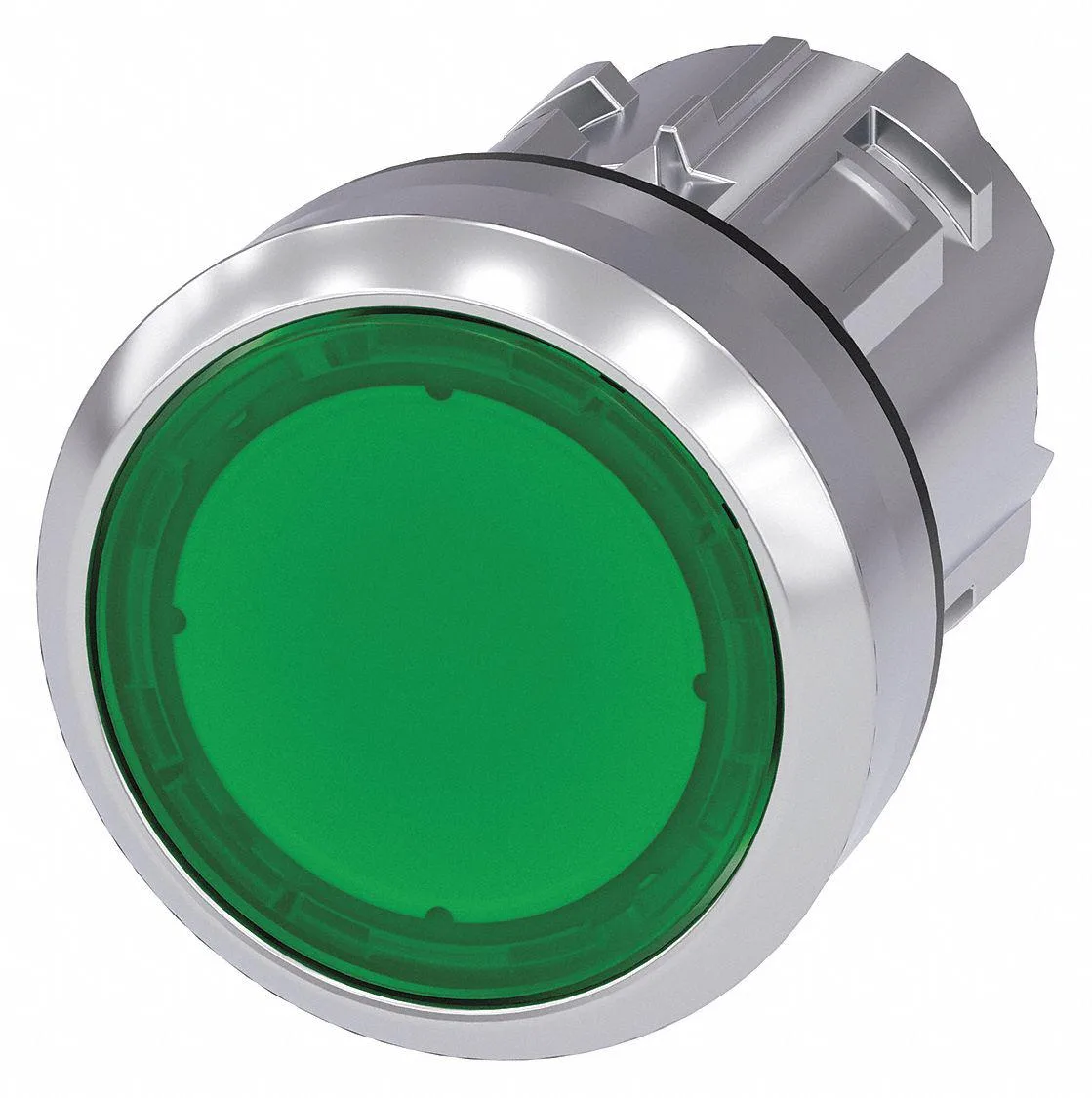
SIEMENS 52PP2D2AB 30 mm Illuminated Push Button Red 24 V LED 1NO/1NC
$179.99
0.00213167BTC
In stock