


STARTECH
STARTECH USB to Null Modem Serial Adapter Cable 6.6ft
Connects USB ports to RS-232 serial equipment with a 6.6ft cable and interchangeable DB9 hardware
- 6 ft cable reaches distant serial ports easily
- USB-A to DB9 RS232 connects legacy gear to modern PCs
- FTDI chipset keeps COM port settings after reboot
- Interchangeable DB9 screws or nuts secure the link
- Works with Windows, macOS and Linux out of the box
What the adapter does
This StarTech USB to Null Modem Serial Adapter Cable adds a DB9 RS232 port to a computer that lacks a native serial interface. It suits engineers, technicians and hobbyists who must configure routers, switches, industrial controllers or legacy lab equipment over a direct null-modem link.
Interface limits
The connection uses USB-A on the host side and a male DB9 on the device side, with FTDI chipset handling the USB-to-serial translation. Cable length is 6.6ft (2m), so the linked equipment must sit within that distance; longer runs need a powered repeater or a different medium.
Installation notes
Driver support covers Windows, macOS and Linux, and the FTDI device usually enumerates automatically on modern kernels. The DB9 connector ships with interchangeable screws and nuts; mismatched hardware is the most common snag, so verify the mating panel before tightening. COM-port retention keeps the same port number across reboots.
Highlights
- 6 ft cable reaches distant serial ports easily
- USB-A to DB9 RS232 connects legacy gear to modern PCs
- FTDI chipset keeps COM port settings after reboot
- Interchangeable DB9 screws or nuts secure the link
- Works with Windows, macOS and Linux out of the box
Specifications
| Brand | StarTech |
|---|---|
| Shipping weight | 0.45 kg |
| Package size | 229 × 155 × 84 mm |
Questions about this item
Should I pick the 6.6ft cable or a shorter length for my serial device?
The 6.6ft length gives enough reach for most bench or rack setups without excess slack.
What does the FTDI chip actually do when the adapter is plugged into a real machine?
It presents a virtual COM port so legacy RS232 gear appears as a standard serial device to the OS.
Which serial standard does the DB9 end follow and what does that limit in practice?
The DB9 connector follows RS232 signalling so voltage levels and cable length stay within that specification.
New to this? Which coin should you pay with — what to check, what it costs to pay, and what is never asked for.
Also in this aisle
People compared these
Same shelf, same checkout — eight coins and a 30-minute rate lock.


WAWEIS
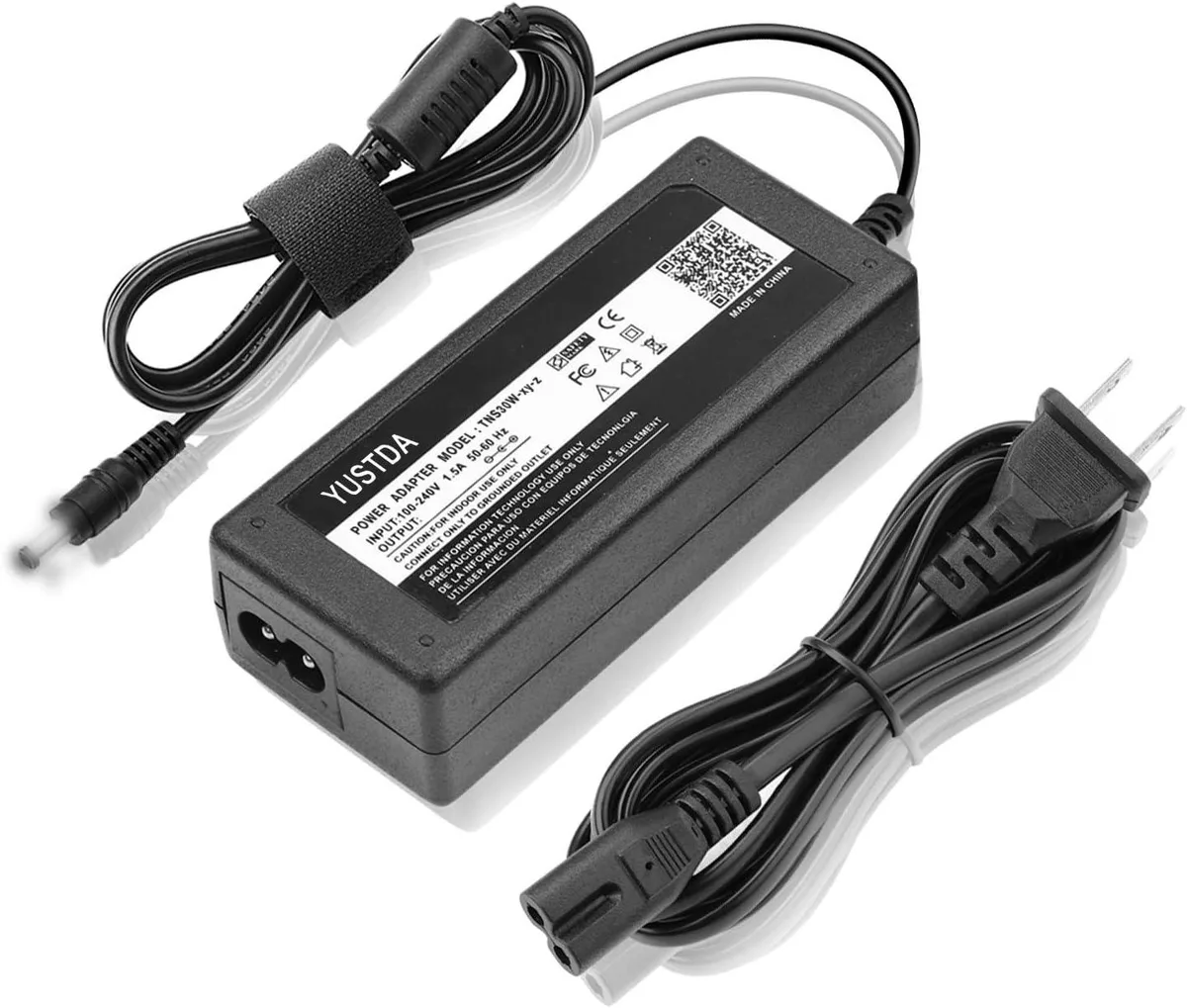
WAWEIS power adapter for AmazonBasics SB210 2.1 Channel Bluetooth Sound Bar
$15.99
0.0001846BTC
In stock
