
Kingston Technology Corp.
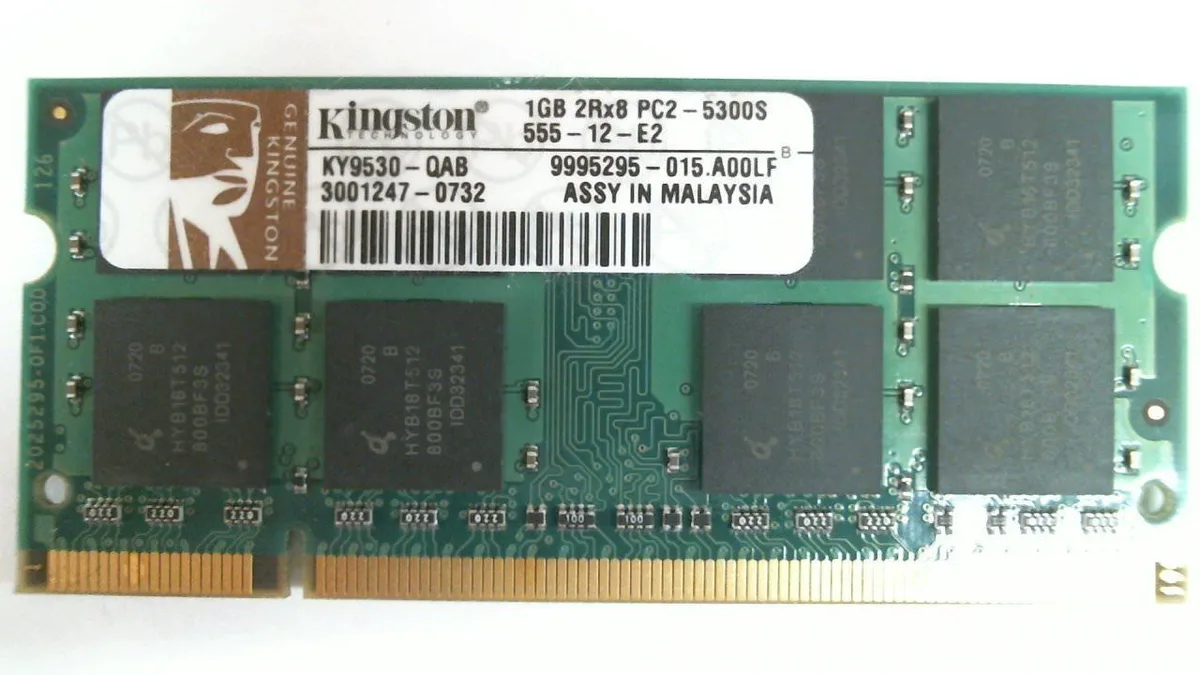
Kingston Technology Corp. 1GB DDR2 laptop RAM SODIMM KY9530-QAB CL5 667MHz 2Rx8
1GB DDR2 SODIMM laptop memory running at 667MHz with CL5 latency and 200-pin unbuffered design
- Capacity1GB
- CAS LatencyCL5
- 1GB DDR2 SODIMM expands laptop memory capacity
- CL5 latency at 667MHz delivers responsive system performance
- 2Rx8 organisation with 128MX64 density enables efficient data handling
- Unbuffered 1.8V operation reduces power draw in notebooks
- 200-pin PC5300 form factor fits compatible DDR2 laptop slots
Laptop DDR2 SODIMM 1GB module
This new Kingston 1GB DDR2 SODIMM runs at 667MHz with CL5 latency. It uses an unbuffered 1.8V design in a 200-pin form factor for notebook memory slots. The module is organised as 2Rx8 with 128Mx64 density.
Suits older DDR2 notebooks needing a single 1GB
Buyers who need more than 1GB per slot should look elsewhere. Systems that require registered or ECC memory cannot use this unbuffered module. Laptops limited to slower DDR2 speeds may not gain the full 667MHz rating.
667MHz DDR2 speed rating
The PC5300 667MHz specification determines whether this module matches the motherboard memory bus. Verify the notebook accepts DDR2 SODIMMs at this frequency before purchase.
Highlights
- 1GB DDR2 SODIMM expands laptop memory capacity
- CL5 latency at 667MHz delivers responsive system performance
- 2Rx8 organisation with 128MX64 density enables efficient data handling
- Unbuffered 1.8V operation reduces power draw in notebooks
- 200-pin PC5300 form factor fits compatible DDR2 laptop slots
Specifications
| Capacity | 1GB |
|---|---|
| CAS Latency | CL5 |
Questions about this item
Does the 200-pin SODIMM slot in my laptop match this module?
Yes, the module uses a standard 200-pin DDR2 SODIMM edge connector that fits any laptop slot built for DDR2 PC5300 memory.
Do I need to change any BIOS settings after inserting the 1.8 V stick?
No, the JEDEC-standard 1.8 V DDR2 module is detected automatically; the only common mistake is not seating the stick fully until the side clips click.
Will the CL5 timing require a future firmware update to stay stable?
No, CL5 is a fixed hardware latency; the module has no firmware, so no updates are needed and no timing degradation occurs over time.
New to this? Buying memory and SSDs with crypto — what to check, what it costs to pay, and what is never asked for.
Also in this aisle
People compared these
Same shelf, same checkout — eight coins and a 30-minute rate lock.


Sunfounder
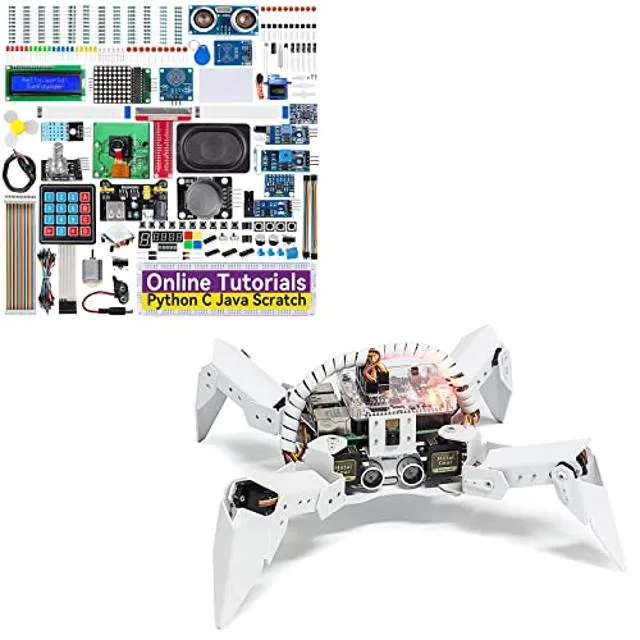
Sunfounder Raspberry Pi Ultimate Kit with PiCrawler AI Robot 337 components 131 projects
$174.99
0.00207666BTC
In stock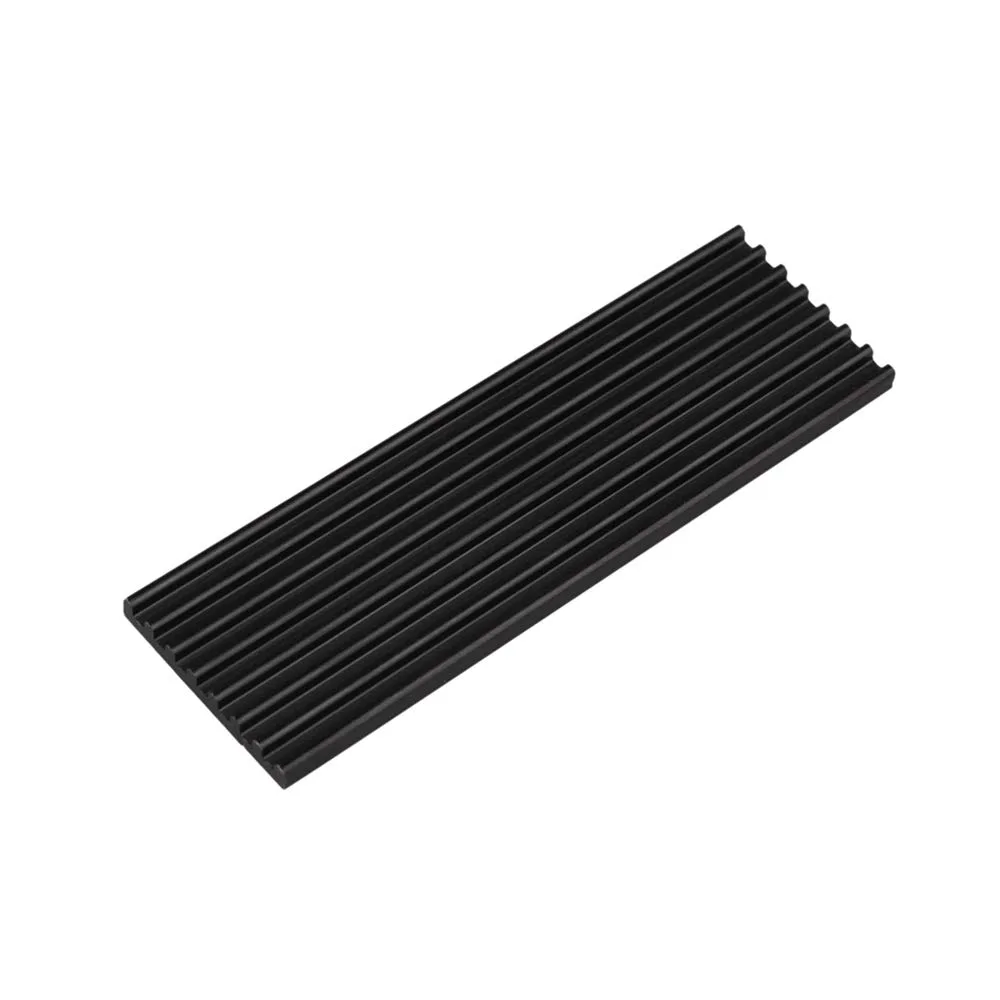
minisforum
minisforum MF-SRP01 SSD Heatsink accessories barebone
- SSD Heatsink
$6.99
0.00008295BTC
In stock