


WMtec
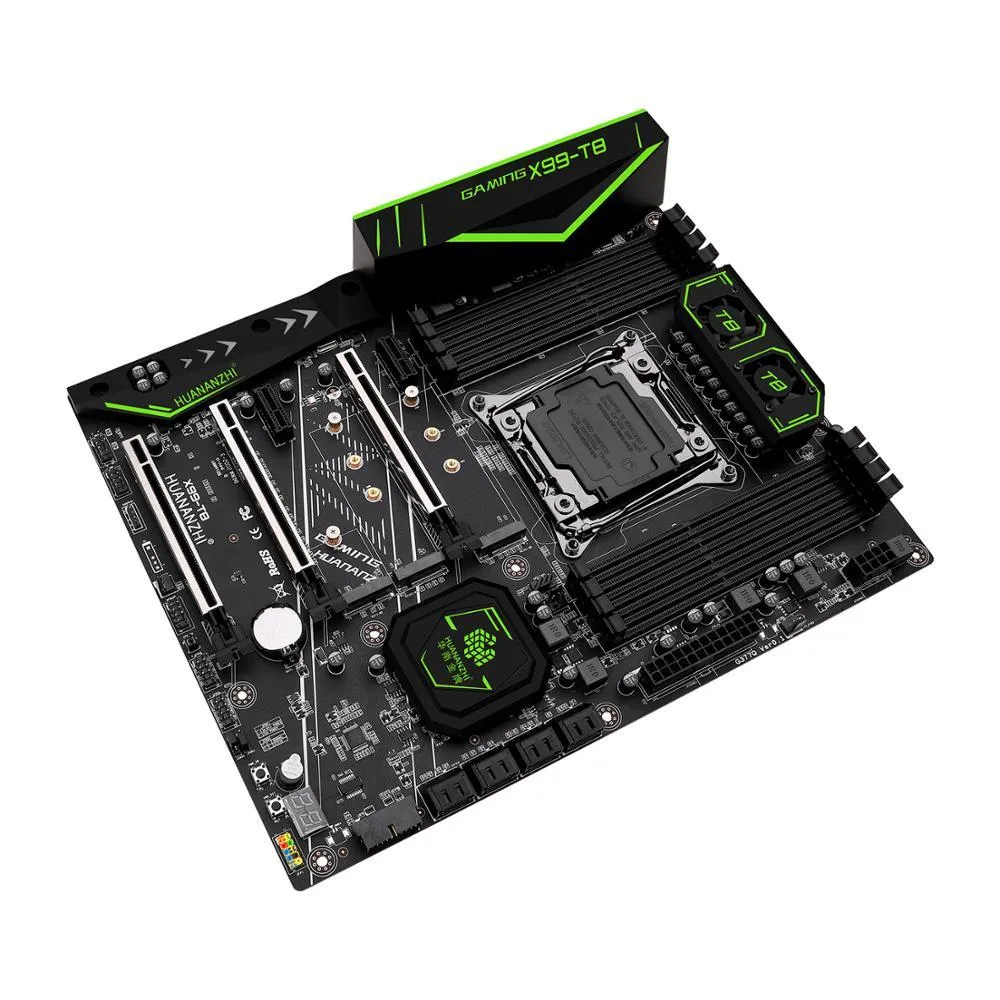
WMtec X99-T8 Server Motherboard LGA 2011-3 USB 3.0 NVME DDR3 Xeon
Dual-socket server board with LGA 2011-3, USB 3.0, NVME M.2 support, and DDR3 REG ECC memory for Xeon E5 V3 V4 CPUs
- CPU TypeDual Intel Xeon
- Dual Xeon support for multi-threaded server workloads
- LGA 2011-3 socket fits Xeon E5 V3 and V4 CPUs
- USB 3.0 ports deliver fast peripheral connectivity
- NVME M.2 slot enables high-speed solid-state storage
Dual Xeon X99-T8 Server Board
The WMtec X99-T8 is a dual-socket server motherboard built around the LGA 2011-3 platform. It supports Intel Xeon E5 V3 and V4 processors alongside DDR3 REG ECC memory modules. An onboard M.2 slot provides NVME storage connectivity, while USB 3.0 ports handle high-speed external devices. This board targets rack-mount and workstation deployments that demand multi-threaded throughput.
Suited for dual-CPU ECC workloads
This motherboard fits administrators building dual-processor servers for virtualisation, rendering or database tasks that benefit from registered ECC memory. It is not intended for single-socket consumer builds, systems that require DDR3 non-ECC modules, or configurations needing multiple M.2 slots. Builders without Xeon E5 V3 or V4 CPUs on hand should consider a different platform.
Highlights
- Dual Xeon support for multi-threaded server workloads
- LGA 2011-3 socket fits Xeon E5 V3 and V4 CPUs
- USB 3.0 ports deliver fast peripheral connectivity
- NVME M.2 slot enables high-speed solid-state storage
Specifications
| CPU Type | Dual Intel Xeon |
|---|
Questions about this item
How often will the DDR3 REG ECC memory modules need replacement under continuous server workloads?
DDR3 REG ECC memory is rated for continuous operation and typically lasts the motherboard's service life unless a module develops correctable errors that exceed the platform's ECC threshold, at which point only the affected DIMM needs swapping.
What thermal limit appears first when both Xeon E5 V3 V4 processors run at full load for extended periods?
The VRM and chipset heatsinks reach their saturation point before the CPU packages hit their maximum junction temperature, so sustained all-core turbo depends on chassis airflow keeping the board-level components within their operating range.
New to this? Buying PC parts with Monero — what to check, what it costs to pay, and what is never asked for.
Also in this aisle
People compared these
Same shelf, same checkout — eight coins and a 30-minute rate lock.


Sunfounder
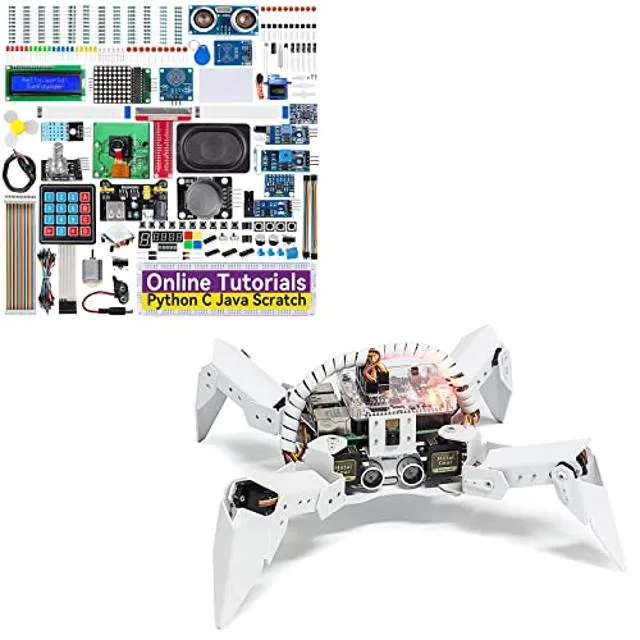
Sunfounder Raspberry Pi Ultimate Kit with PiCrawler AI Robot 337 components 131 projects
$174.99
0.00208411BTC
In stock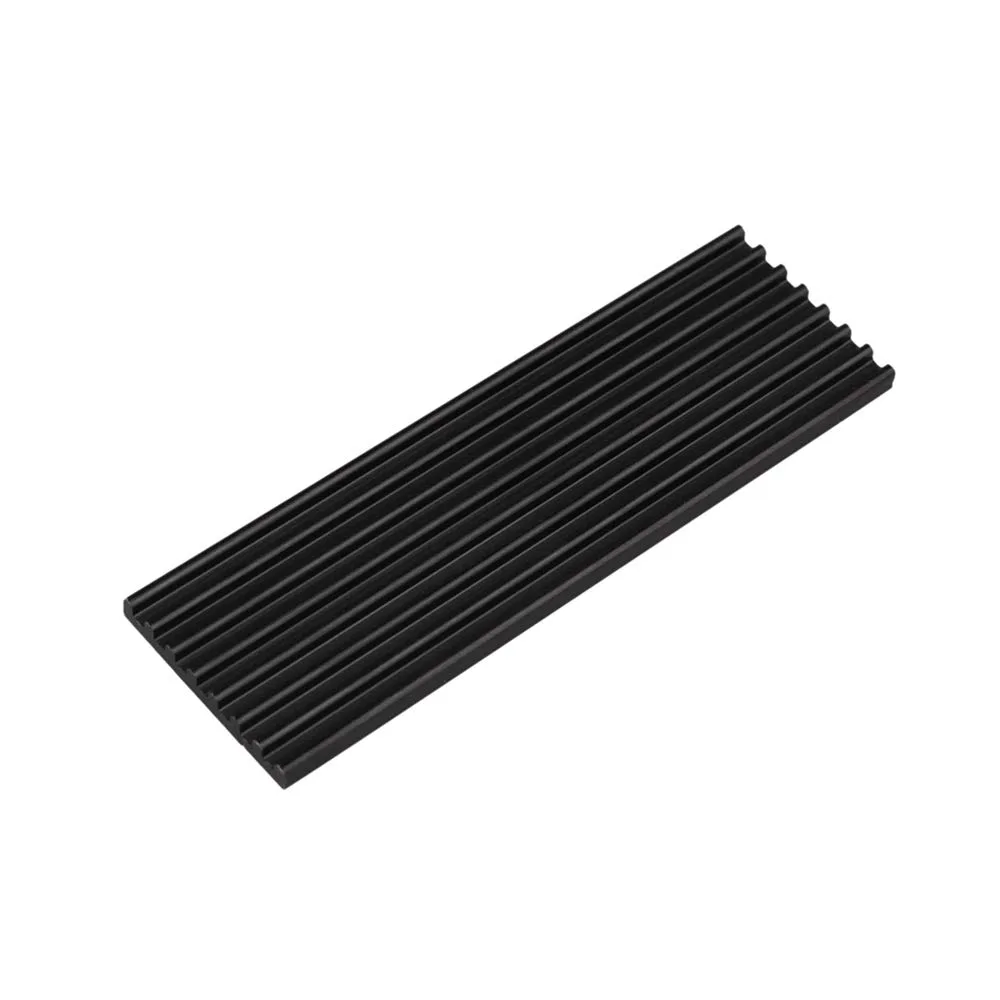
minisforum
minisforum MF-SRP01 SSD Heatsink accessories barebone
- SSD Heatsink
$6.99
0.00008325BTC
In stock