


Schneider Electric
Schneider Electric LR2K0306 Overload Relay 0.8-1.2 A
Protects three-phase motors with adjustable 0.8 to 1.2 A thermal overload and 1NO/1NC auxiliary contacts
- TypeIndustrial Electrical Controls & Automation
- ColorTransparent
- Protects motors from 0.8 A to 1.2 A overloads
- 1NO and 1NC auxiliary contacts for flexible signalling
- Auto or manual reset restarts equipment quickly
- Screw-clamp terminals give secure wiring connections
- Rated 690 V AC and 250 V DC for control circuits
Overload Relay for TeSys Contactors
Schneider Electric LR2K0306 is a thermal overload relay rated 0.8 to 1.2 A with 1NO/1NC auxiliary contacts. It mounts directly on compatible TeSys Deca or TeSys K contactors using screw clamp terminals. Suitable for industrial motor protection panels requiring IEC-style relay coordination.
Trip Class and Voltage Limits
Trip Class 10A defines the thermal response curve for overload detection. The signalling circuit is rated to 690 V AC and 250 V DC, so control wiring must stay within these limits. The relay has three poles and auto or manual reset selectable on the device.
Current Setting Range Decides Fit
The adjustable range of 0.80 A minimum to 1.2 A maximum is the single figure that determines whether this relay matches the motor full-load current. If the motor draws outside this band a different relay must be chosen.
Highlights
- Protects motors from 0.8 A to 1.2 A overloads
- 1NO and 1NC auxiliary contacts for flexible signalling
- Auto or manual reset restarts equipment quickly
- Screw-clamp terminals give secure wiring connections
- Rated 690 V AC and 250 V DC for control circuits
Specifications
| Brand | SCHNEIDER ELECTRIC |
|---|---|
| Type | Industrial Electrical Controls & Automation |
| Color | Transparent |
Questions about this item
Should I pick the 0.8 A minimum or the 1.2 A maximum setting for my motor?
The relay adjusts continuously between 0.8 A and 1.2 A; set the dial to match the motor's full-load current shown on its nameplate.
What does the 1.2 A maximum setting actually protect in a live circuit?
It trips the contactor when current exceeds 1.2 A for the Trip Class 10A time curve, stopping motor overheating.
How do the 250 V DC and 690 V AC ratings limit where I can wire the auxiliary contacts?
The 1NO/1NC signalling contacts must stay below 250 V DC or 690 V AC; they cannot switch mains power directly.
Also in this aisle
People compared these
Same shelf, same checkout — eight coins and a 30-minute rate lock.


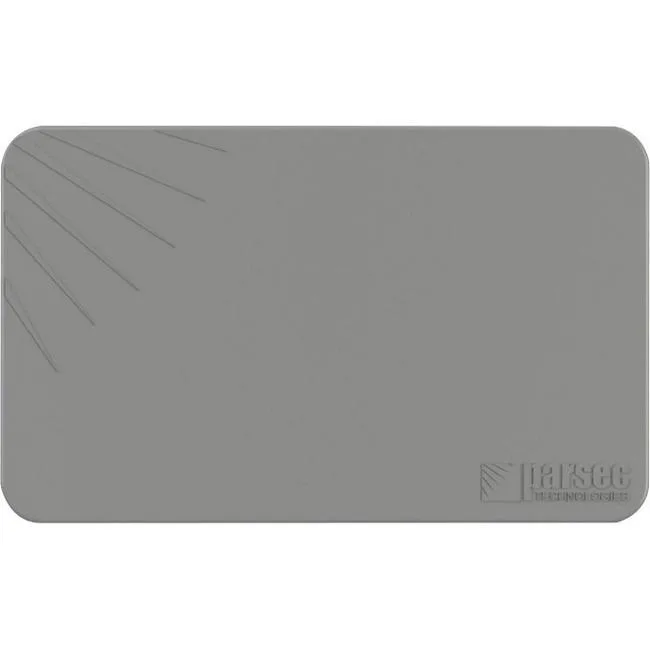
Parsec Technologies, Inc.
Parsec Technologies, Inc. PRO4A4L15W TV Antenna
$271.99
0.00318061BTC
In stock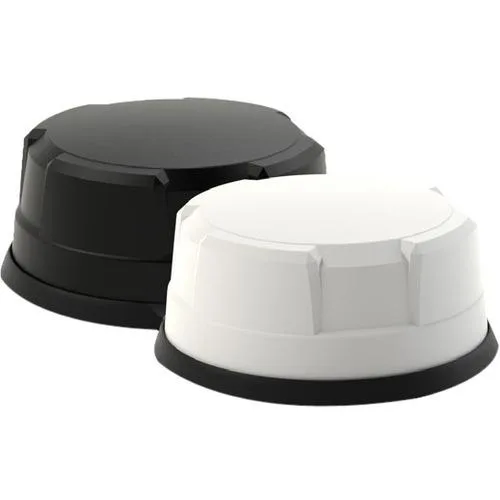
SIERRA WIRELESS DATA INC
SIERRA WIRELESS DATA INC 6001363 6-in-1 Dome TV Antenna
$202.99
0.00237374BTC
In stock
NEC Display Solutions
NEC Display Solutions 10 Point Infrared Touch Overlay for C431 OLR431R
$326.99
0.00382377BTC
In stock