Accsoon
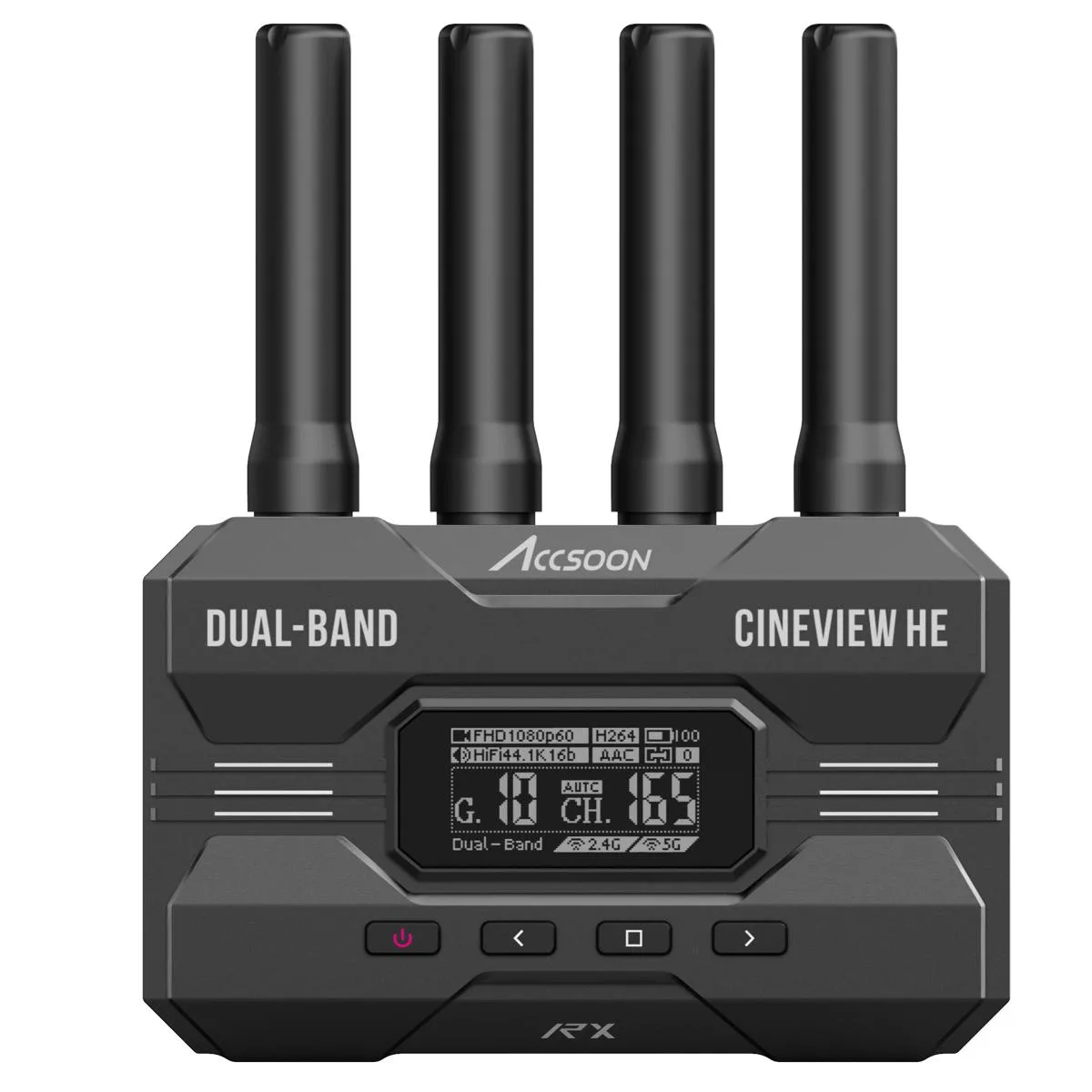
Accsoon CineView SE Multi-Spectrum Wireless Video Transmitter 1200ft 1080p HDMI SDI
$181.99
0.00211848BTC
In stockWe take cryptocurrency — so the coins you hold can buy real hardware.Pay in crypto, spend it on real hardware. Free insured shipping worldwide over $399. Plain, unbranded boxes, sent from Germany.Free insured shipping over $399. Your rate is locked for 30 minutes once checkout opens.Rate locked 30 minutes. Every item sealed, serial-checked and covered by a 24-month warranty.Sealed, 24-month warranty.


PISKEKAT
A 25 ft RG58 coax cable with PL259 UHF male connectors for CB, ham and marine radio links, rated 2.1 dB loss at 450 MHz with 1.15 SWR
This 25 ft RG58 cable carries UHF signals between CB radios, ham rigs, antenna analysers and SWR meters. Solid copper centre conductor and bonded aluminium foil plus tinned copper braid keep static and interference out of the line.
Nickel-plated copper shells resist oxidation and a 2.2 inch adhesive-lined heat-shrink tube seals the connector junction against water and pull-out stress. Flexible jacket suits tight routing in vehicles, boats or base stations.
Low-loss braid shield protects signal quality over the full length for typical VHF and UHF radio work. Runs out of headroom on very long runs or higher-frequency microwave links where attenuation per metre becomes critical.
| Type | Other |
|---|
The cable shows 2.1 dB loss at 450 MHz with a 1.15 SWR, so the limit that appears first is attenuation rather than reflection.
It is a passive coaxial cable with solid copper centre conductor and tinned copper braid, so it generates no heat and draws no power.
Both ends are UHF male PL-259, so the radio and antenna need UHF female sockets.
Also in this aisle
Same shelf, same checkout — eight coins and a 30-minute rate lock.
What you pay in, and what you read prices in.
Sent from your wallet at checkout
Display only — the catalogue is priced in USD
No currency matches that.
Pick the language the site speaks to you in.
No language matches that.
New here?
Already have one?
There is no automatic reset: this shop sends no mail, so there is no one-time link to ask for. Leave the address on the account and it gets picked up by hand.
Request noted
Nothing is on its way to your inbox — this shop sends no mail at all. Someone picks these up by hand.
Remembered it?