


physowell
physowell 4K HDMI to USB 3.0 Capture Card 1080p60 Black
Captures 4K HDMI input and records 1080p60 video via USB 3.0 with driver-free operation
- TypeVideo Capture & Editing
- ColorBlack
- Capture 1080p60 video for smooth recordings
- USB 3.0 delivers 300-350MB/s throughput
- Driver-free UVC/UAC support works instantly
- HDMI loop-out passes 4Kp60 to a display
- Compatible with Windows, Linux and OS X
What the capture card does
The physowell HDMI to USB 3.0 capture card accepts a 4K 60 Hz HDMI input and records or streams at 1080p 60 fps. It works with Windows, Linux and macOS without driver installation and supports consoles such as PS4, Switch and Xbox as well as PCs and media players.
Thermals noise and power
The device draws power from the USB 3.0 port and operates between 0 and 70 degrees Celsius. Video processing is handled on the dongle so the host CPU is not burdened and the aluminium shell dissipates heat without a fan.
The deciding specification
It captures a single 1080p 60 fps channel over USB 3.0 at 300 to 350 MB/s throughput. Buyers who need 4K capture or multiple simultaneous inputs should choose a different device.
Highlights
- Capture 1080p60 video for smooth recordings
- USB 3.0 delivers 300-350MB/s throughput
- Driver-free UVC/UAC support works instantly
- HDMI loop-out passes 4Kp60 to a display
- Compatible with Windows, Linux and OS X
Specifications
| Type | Video Capture & Editing |
|---|---|
| Color | Black |
Questions about this item
How do I connect the HDMI loop output for 4Kp60 passthrough?
Connect the source to the HDMI input, then run a second HDMI cable from the loop output to your display; the card passes 4Kp60 through while capturing 1080p60 over USB 3.0.
Does the aluminium shell need active cooling during long streams?
The card draws power from the USB 3.0 port and operates up to 70 °C; no fan is fitted, so ensure the chassis has airflow and avoid enclosing the dongle.
At what point does sustained capture hit the USB 3.0 throughput ceiling?
Continuous 1080p60 capture runs at 300–350 MB/s; the USB 3.0 link is the first bottleneck before CPU or storage limits appear.
Also in this aisle
People compared these
Same shelf, same checkout — eight coins and a 30-minute rate lock.


Parsec Technologies, Inc.
Parsec Technologies, Inc. PRO4A4L15W TV Antenna
$271.99
0.00322026BTC
In stock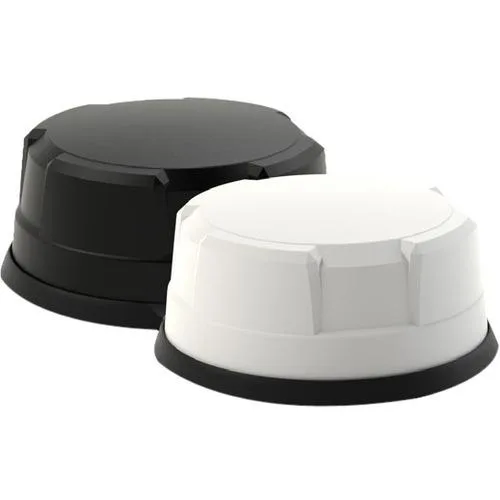
SIERRA WIRELESS DATA INC
SIERRA WIRELESS DATA INC 6001363 6-in-1 Dome TV Antenna
$202.99
0.00240333BTC
In stock
NEC Display Solutions
NEC Display Solutions 10 Point Infrared Touch Overlay for C431 OLR431R
$326.99
0.00387145BTC
In stock