


NuoTo
NuoTo 16-Channel PWM Servo Driver 12-bit PCA9685 I2C 65x30mm
A 16-channel PWM servo driver with 12-bit resolution over I2C, measuring 65x30mm and compatible with Raspberry Pi and Jetson Nano
- CPU TypeOther
- Control up to 16 servos with a single board
- 12-bit PWM resolution gives 4096 steps per channel
- I2C interface uses only two GPIO pins
- On-board 5 V regulator supplies up to 3 A from battery
- Compact 65 mm × 30 mm footprint fits tight builds
16-Channel PWM Servo Driver
The NuoTo board adds 16 independent PWM outputs to a Raspberry Pi or Jetson Nano using only two I2C pins. Each channel delivers 12-bit resolution for 4096 discrete steps. An on-board 5 V regulator supplies up to 3 A and accepts 6–12 V through the VIN terminal for battery operation.
Compact I2C Module with Standard Servo Headers
The 65 mm by 30 mm PCB mounts on 3.0 mm holes and presents standard three-pin headers compatible with SG90, MG90S and MG996R servos. Logic runs at 3.3 V while servo power stays at 5 V. Reserved I2C pins allow daisy-chaining additional boards without consuming extra GPIO.
Expands Limited Native PWM on Single-Board Computers
Builders whose projects exceed the Pi’s hardware PWM channels can drive walkers, arms or pan-tilt rigs without jitter. The jump is worthwhile when more than two precise servo positions are needed simultaneously and the 3 A regulator budget covers the servo load.
Highlights
- Control up to 16 servos with a single board
- 12-bit PWM resolution gives 4096 steps per channel
- I2C interface uses only two GPIO pins
- On-board 5 V regulator supplies up to 3 A from battery
- Compact 65 mm × 30 mm footprint fits tight builds
Specifications
| CPU Type | Other |
|---|
Questions about this item
What does the 12-bit resolution on the PCA9685 mean for servo positioning?
The 12-bit resolution provides 4096 discrete steps per channel, allowing fine-grained position control across all 16 outputs.
What mounting holes does the 65x30mm board have for securing it in a chassis?
The board includes 3.0mm mounting holes for mechanical fixing.
How do I power the servos correctly — can I just use the Raspberry Pi 5V pin?
The Pi 5V connector alone cannot drive servos; connect a 6V–12V supply to the VIN terminal for servo power while the on-board regulator feeds logic at 3.3V.
New to this? Buying PC parts with Monero — what to check, what it costs to pay, and what is never asked for.
Also in this aisle
People compared these
Same shelf, same checkout — eight coins and a 30-minute rate lock.


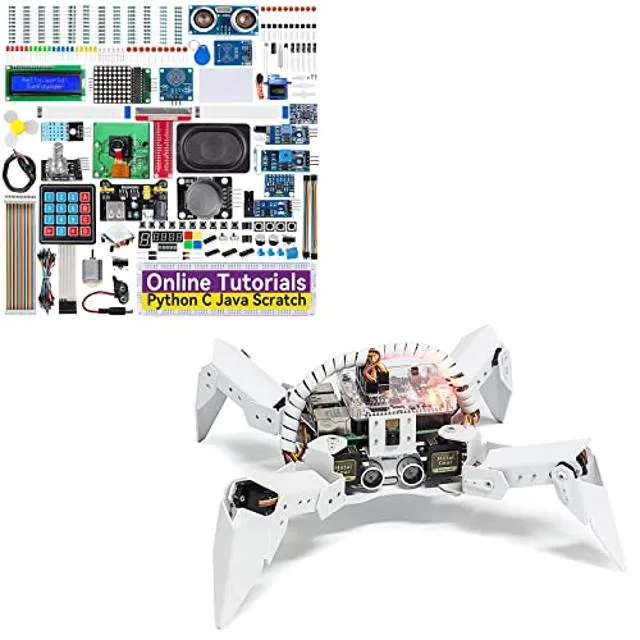
Sunfounder
Sunfounder Raspberry Pi Ultimate Kit with PiCrawler AI Robot 337 components 131 projects
$174.99
0.00209118BTC
In stock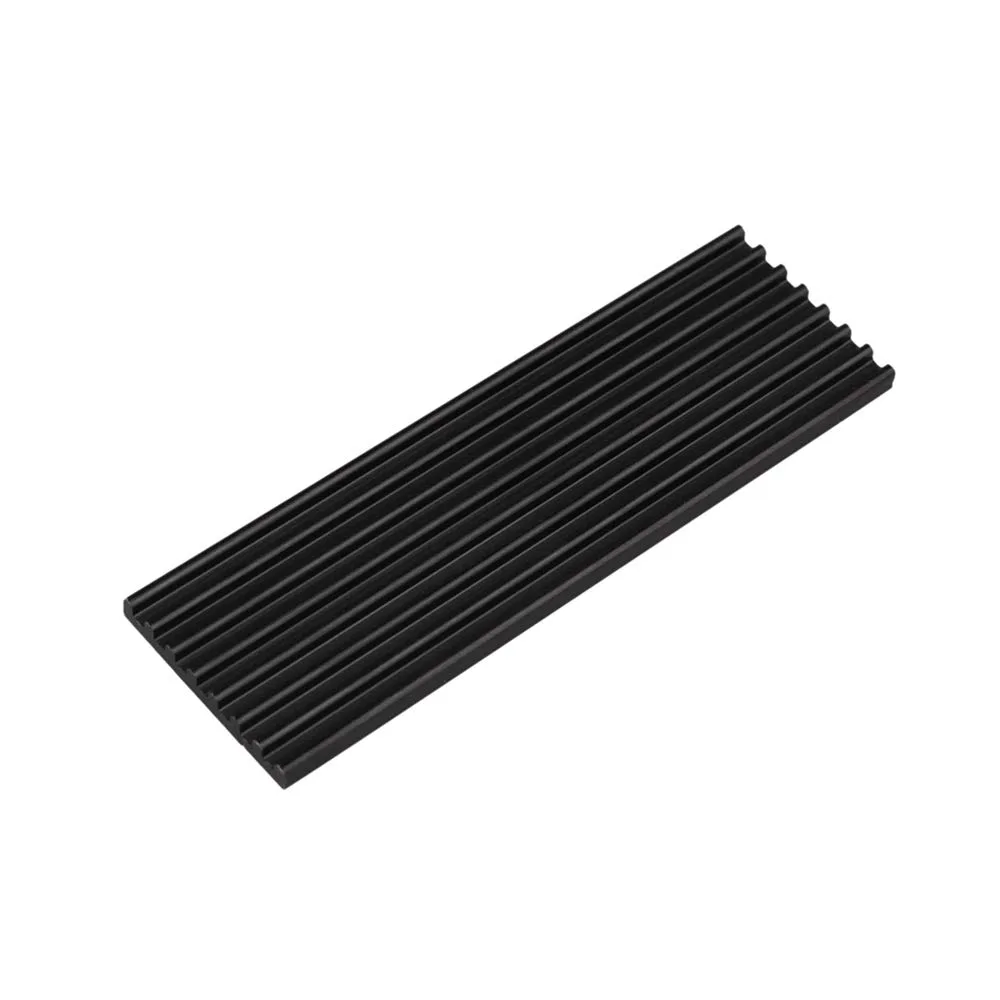
minisforum
minisforum MF-SRP01 SSD Heatsink accessories barebone
- SSD Heatsink
$6.99
0.00008353BTC
In stock