


MSI
MSI GeForce RTX 3070 Gaming Z Trio 8G LHR graphics card
Triple-fan RTX 3070 with 8 GB GDDR6, 1845 MHz boost, PCIe 4.0, HDMI 2.1 and three DisplayPort 1.4a outputs
- InterfacePCI Express 4.0
- Chipset ManufacturerNVIDIA
- GPU SeriesNVIDIA GeForce RTX 30 Series
- GPUGeForce RTX 3070
- Boost Clock1845 MHz
- CUDA Cores5888
- 5888 CUDA cores accelerate rendering and compute workloads
- 8 GB GDDR6 on a 256-bit bus delivers 14000 MHz memory bandwidth
- Boost clock reaches 1845 MHz for higher frame rates
- PCI Express 4.0 x16 interface doubles link bandwidth
- Triple-fan cooler keeps thermals in check under load
GeForce RTX 3070 Gaming Z Trio 8G LHR
This graphics card is built around the NVIDIA GeForce RTX 3070 GPU with 5888 CUDA cores and a boost clock of 1845 MHz. It carries 8GB of GDDR6 memory on a 256-bit bus running at 14000 MHz. The board connects via PCI Express 4.0 and targets gamers and creators who want high-frame-rate 1440p or entry-level 4K performance. LHR firmware limits Ethereum hash rate for mining workloads.
Thermals noise and power draw
The card uses a triple-fan cooling assembly to dissipate up to 240W of board power. MSI recommends a system power supply of at least 650W to handle peak loads. Two 8-pin PCIe power connectors feed the GPU, VRAM and VRM sections. Under typical gaming loads the three fans spin at moderate speeds to keep core temperatures in check while keeping acoustic output low.
Build quality and connectors
The 323 mm long board occupies a 3-slot thickness of 56 mm, so case clearance should be verified before installation. A metal backplate adds rigidity and helps prevent PCB flex during transport or heavy cooler mounting. Video output consists of one HDMI 2.1 port and three DisplayPort 1.4a connectors, supporting up to four simultaneous displays at a maximum resolution of 7680 x 4320. NVIDIA G-SYNC compatibility provides variable refresh rate support on compatible monitors.
Highlights
- 5888 CUDA cores accelerate rendering and compute workloads
- 8 GB GDDR6 on a 256-bit bus delivers 14000 MHz memory bandwidth
- Boost clock reaches 1845 MHz for higher frame rates
- PCI Express 4.0 x16 interface doubles link bandwidth
- Triple-fan cooler keeps thermals in check under load
Specifications
| Brand | MSI |
|---|---|
| Series | Gaming |
| Model | RTX 3070 GAMING Z TRIO 8G LHR |
| Interface | PCI Express 4.0 |
| Chipset Manufacturer | NVIDIA |
| GPU Series | NVIDIA GeForce RTX 30 Series |
| GPU | GeForce RTX 3070 |
| Boost Clock | 1845 MHz |
| CUDA Cores | 5888 |
| Effective Memory Clock | 14000 MHz |
| Memory Size | 8GB |
| Memory Interface | 256-Bit |
| Memory Type | GDDR6 |
| DirectX | DirectX 12 Ultimate |
| OpenGL | OpenGL 4.6 |
| Multi-Monitor Support | 4 |
| HDMI | 1 x HDMI 2.1 |
| DisplayPort | 3 x DisplayPort 1.4a |
| Max Resolution | 7680 x 4320 |
| Virtual Reality Ready | Yes |
| Cooler | Triple Fans |
| Thermal Design Power | 240W |
| Recommended PSU Wattage | 650W |
| Power Connector | 2 x 8-Pin |
| HDCP Ready | Yes |
| Features | TRI FROZR 2 Thermal Design TORX Fan 4.0: A masterpiece of teamwork, fan blades work in pairs to create unprecedented levels of focused air pressure. Core Pipe: Precision-crafted heat pipes ensure max contact to the GPU and spread heat along the full length of the heatsink. Airflow Control: Don't sweat it, Airflow Control guides the air to exactly where it needs to be for maximum cooling. RGB Mystic Light Mystic Light gives you complete control of the RGB lighting for MSI devices and compatible RGB products. MSI Center The exclusive MSI Center software lets you monitor, tweak and opti |
| Max GPU Length | 323 mm |
| Card Dimensions (L x H) | 12.72" x 5.51" |
| Slot Width | 2.8 Slot |
Questions about this item
How do I install the 8pin+8pin power connectors so the card gets stable power?
Connect both 8pin plugs from the power supply to the card; each must come from a separate cable, not a single daisy-chain, otherwise the 240W draw can trip the rail.
What maintenance will the triple-fan cooler need over time?
Blow dust from the three fans and heatsink fins every few months; if a fan bearing becomes noisy, replace that fan module rather than the whole card.
What limit appears first when the 1845 MHz boost clock is held under load?
The 240W power ceiling is reached before thermal limits, so the card drops clocks to stay within the 8pin+8pin budget.
New to this? How to buy a graphics card with Bitcoin — what to check, what it costs to pay, and what is never asked for.
Also in this aisle
People compared these
Same shelf, same checkout — eight coins and a 30-minute rate lock.


Sunfounder
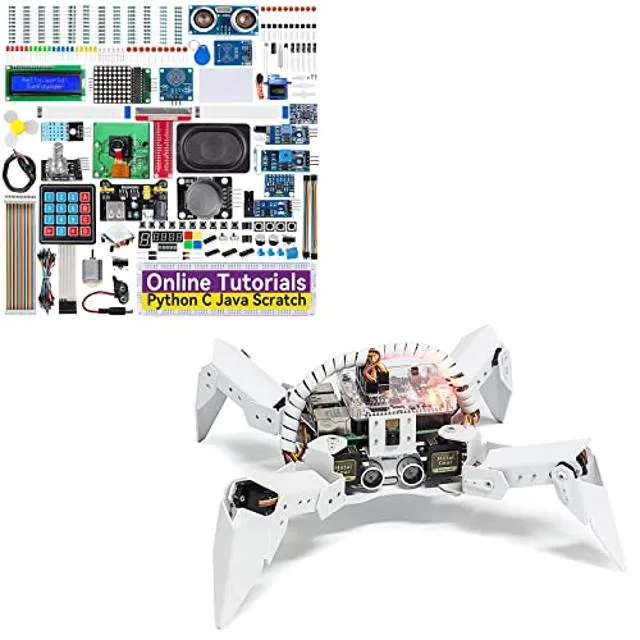
Sunfounder Raspberry Pi Ultimate Kit with PiCrawler AI Robot 337 components 131 projects
$174.99
0.00209855BTC
In stock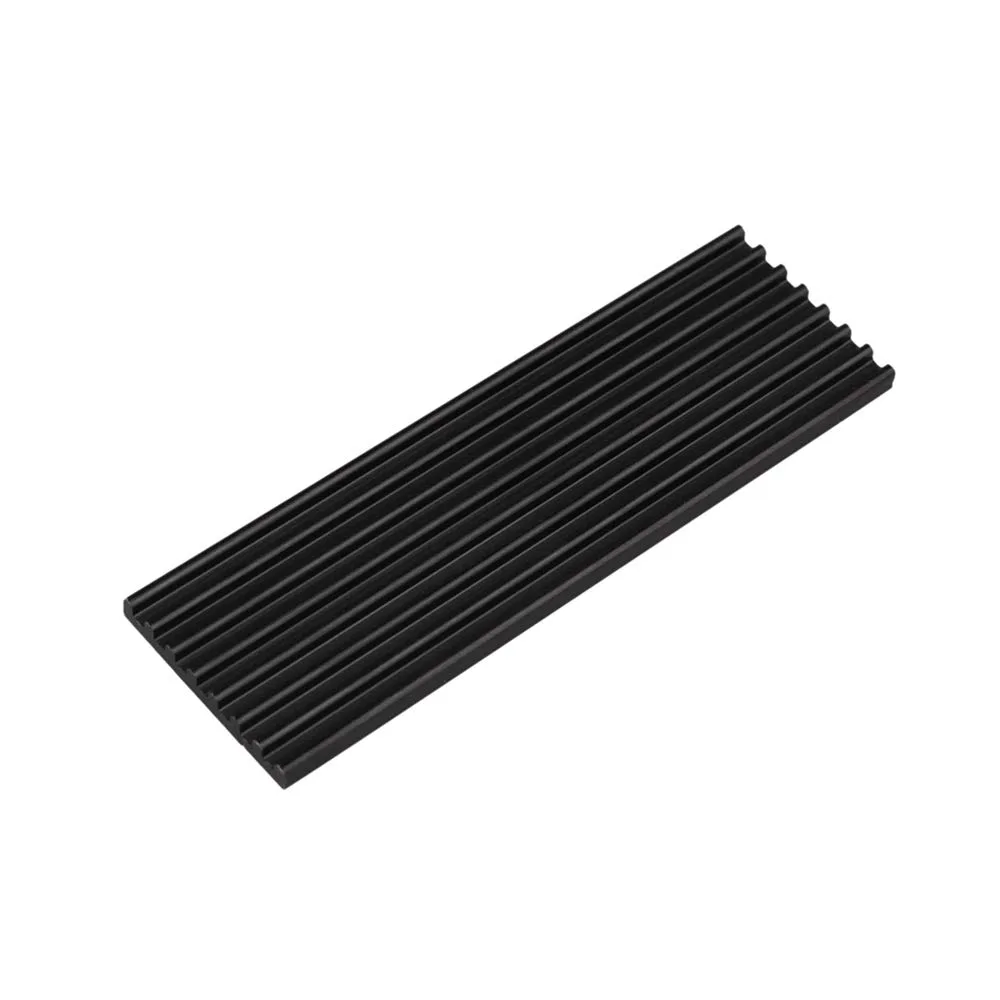
minisforum
minisforum MF-SRP01 SSD Heatsink accessories barebone
- SSD Heatsink
$6.99
0.00008383BTC
In stock