

L.H. DOTTIE
L.H. DOTTIE RPBBDS34 3/4'' Ball Bearing Draw Stud
A 3/4 inch ball bearing draw stud enables smooth conduit pulling with reduced friction
- TypeHand Tools
- ColorTransparent
- 3/4-inch stud fits standard conduit pulls
- ball-bearing design reduces friction during wire pulling
- transparent finish allows quick visual inspection
- DOTTIE brand trusted by electrical professionals
- hand-tool construction built for job-site durability
Professional pull-through tool
The L.H. DOTTIE RPBBDS34 is a 3/4-inch ball bearing draw stud built for electricians and low-voltage installers who pull cable through conduit. Its hardened steel construction and smooth bearing reduce friction so the fish tape or pull line advances with less effort on long or bent runs.
Low-resistance operation
The integrated ball bearing spins freely under load, keeping the pulling force steady and the tool cool during continuous use. No lubrication is required and the transparent finish lets the user spot debris before it enters the bearing race.
Fits standard pullers
The 3/4-inch diameter matches common pulling heads and knockout punches, so the stud threads directly onto existing equipment without adapters. It clears the way for faster cable installation while leaving the toolbox free of specialised pullers for each conduit size.
Highlights
- 3/4-inch stud fits standard conduit pulls
- ball-bearing design reduces friction during wire pulling
- transparent finish allows quick visual inspection
- DOTTIE brand trusted by electrical professionals
- hand-tool construction built for job-site durability
Specifications
| Brand | DOTTIE |
|---|---|
| Type | Hand Tools |
| Color | Transparent |
Questions about this item
How do I install the 3/4'' ball bearing draw stud and what step is often missed?
Thread the stud into the conduit body until the shoulder seats, then tighten with a wrench on the flats; the missed step is confirming the ball bearing rotates freely before pulling cable.
What maintenance or replacement will the draw stud need later?
Inspect the ball bearing for flat spots or corrosion after heavy pulls; replace the stud if the bearing no longer spins smoothly or shows visible wear.
What limit appears first during sustained pulling with this stud?
The ball bearing is the first component to heat up and bind under continuous high-tension cable pulls, signalling the practical limit of the tool.
Also in this aisle
People compared these
Same shelf, same checkout — eight coins and a 30-minute rate lock.


SIERRA WIRELESS DATA INC
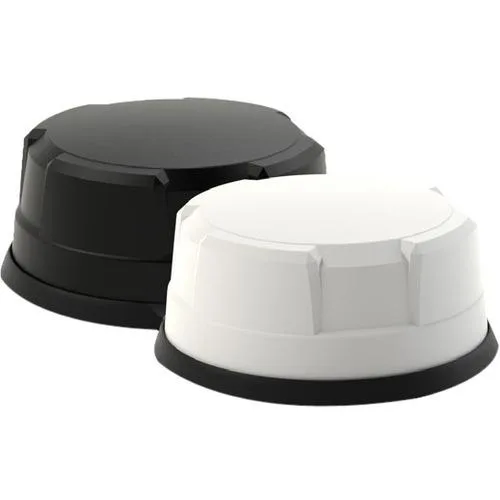
SIERRA WIRELESS DATA INC 6001363 6-in-1 Dome TV Antenna
$202.99
0.00239231BTC
In stock
NEC Display Solutions
NEC Display Solutions 10 Point Infrared Touch Overlay for C431 OLR431R
$326.99
0.0038537BTC
In stock