


Deejay LED
Deejay LED TI5200 2-inch Titanium Neo Driver 8 Ohm 120W RMS 240W Program audio component
Two-inch titanium neo driver handles 120 W RMS with 108 dB sensitivity and a 500 Hz to 18 kHz range
- High sensitivity of 108 dB delivers loud, clear output
- 2-inch throat with 3-inch voice coil handles 120 W RMS power
- Neodymium magnet provides strong flux density in a compact driver
- Phenolic diaphragm covers 500 Hz to 18 kHz for detailed highs
- 8-ohm impedance suits standard crossover networks at 1.2 kHz
2-inch Titanium Neo Driver
The Deejay LED TI5200 is a 2-inch throat compression driver built for professional sound reinforcement. Its neodymium magnet structure and phenolic diaphragm deliver 108 dB sensitivity at 1 watt and 1 metre. The 3-inch aluminium voice coil on a Kapton former handles 120 watts RMS and 240 watts program power at 8 ohms nominal impedance.
500 Hz to 18 kHz Frequency Range
The driver covers 500 Hz to 18 kHz, making it suitable for mid-high reproduction in two- or three-way systems. A minimum 1200 Hz crossover at 12 dB per octave is recommended to protect the diaphragm from low-frequency excursion. Operating below this point risks mechanical damage and excessive distortion.
120 W RMS Continuous Headroom
At 120 watts RMS the driver provides clean output for medium-sized venues and stage monitor wedges. The 240 watt program rating allows short musical peaks without thermal compression. Systems requiring sustained output above 120 watts or extended low-frequency response below 500 Hz will need larger-format compression drivers.
Highlights
- High sensitivity of 108 dB delivers loud, clear output
- 2-inch throat with 3-inch voice coil handles 120 W RMS power
- Neodymium magnet provides strong flux density in a compact driver
- Phenolic diaphragm covers 500 Hz to 18 kHz for detailed highs
- 8-ohm impedance suits standard crossover networks at 1.2 kHz
Specifications
No published specifications for this item yet.
Questions about this item
Should I run the TI5200 at 120 W RMS or 240 W program in my PA system?
The driver handles 120 W RMS continuously and 240 W program peaks; size your amplifier to the RMS figure for reliable daily use.
What does the 108 dB sensitivity mean when the driver is mounted in a cabinet?
At 1 W measured at 1 m you get 108 dB output, so the driver reaches high SPL with modest amplifier power.
How does the 8-ohm nominal impedance affect crossover design for the TI5200?
An 8-ohm load lets you use standard 1200 Hz 12 dB/oct minimum crossovers without impedance dips that stress amplifiers.
Also in this aisle
People compared these
Same shelf, same checkout — eight coins and a 30-minute rate lock.


Parsec Technologies, Inc.
Parsec Technologies, Inc. PRO4A4L15W TV Antenna
$271.99
0.00321084BTC
In stock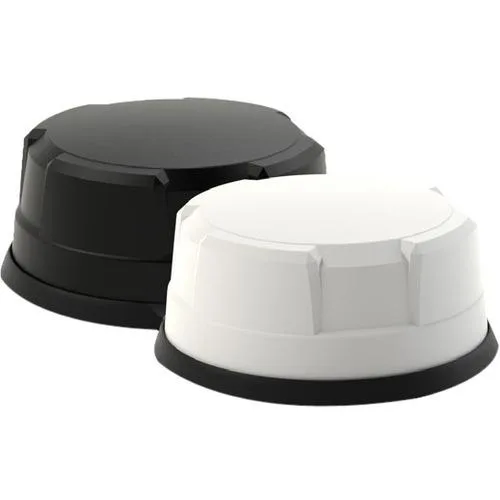
SIERRA WIRELESS DATA INC
SIERRA WIRELESS DATA INC 6001363 6-in-1 Dome TV Antenna
$202.99
0.00239629BTC
In stock
NEC Display Solutions
NEC Display Solutions 10 Point Infrared Touch Overlay for C431 OLR431R
$326.99
0.00386011BTC
In stock