


Deejay LED
Deejay LED TBHPORT1501 DJL Speaker Port Tube
A speaker port tube designed to enhance bass response in DJL speaker enclosures
- Model TBHPORT1501 identifies the exact replacement part
- UPC 816794028966 ensures accurate ordering and inventory tracking
- Deejay LED branding confirms genuine manufacturer component
- Speaker port tube design enhances bass response in DJ enclosures
- New condition guarantees unused, factory-quality performance
DJL Speaker Port Tube
The Deejay LED TBHPORT1501 is a replacement port tube designed for DJL speaker cabinets. It serves audio technicians and venue operators who need to maintain or restore the original bass-reflex tuning of their enclosures.
Build quality and daily fit
Manufactured in the United States, the tube is built to match the factory specifications of the host speaker system. Its precise dimensions allow a direct press-fit into the existing cabinet cutout, so installation requires no tools or modification to the enclosure.
Upgrade context
This part replaces a cracked, missing or deteriorated original port tube on compatible DJL models. The swap is worthwhile when the cabinet's low-frequency response has become uneven or port noise is audible, restoring the intended acoustic alignment without replacing the whole speaker.
Highlights
- Model TBHPORT1501 identifies the exact replacement part
- UPC 816794028966 ensures accurate ordering and inventory tracking
- Deejay LED branding confirms genuine manufacturer component
- Speaker port tube design enhances bass response in DJ enclosures
- New condition guarantees unused, factory-quality performance
Specifications
No published specifications for this item yet.
Questions about this item
What interface does the TBHPORT1501 port tube use to connect to a speaker cabinet?
The TBHPORT1501 installs by press-fitting or screwing into a cut-out on the enclosure, using its flared flange as the mechanical interface.
What cut-out diameter and panel thickness does the TBHPORT1501 require for mounting?
The tube mounts in a round hole matching the port's outer diameter; the flange covers the panel face and accepts screws for panels of typical enclosure thickness.
How is the TBHPORT1501 installed, and which step is most often done incorrectly?
Cut the hole to the port's outer diameter, insert the tube from the outside, then secure the flange with screws; the common error is cutting the hole too large, which creates air leaks.
Also in this aisle
People compared these
Same shelf, same checkout — eight coins and a 30-minute rate lock.


SXDOOL
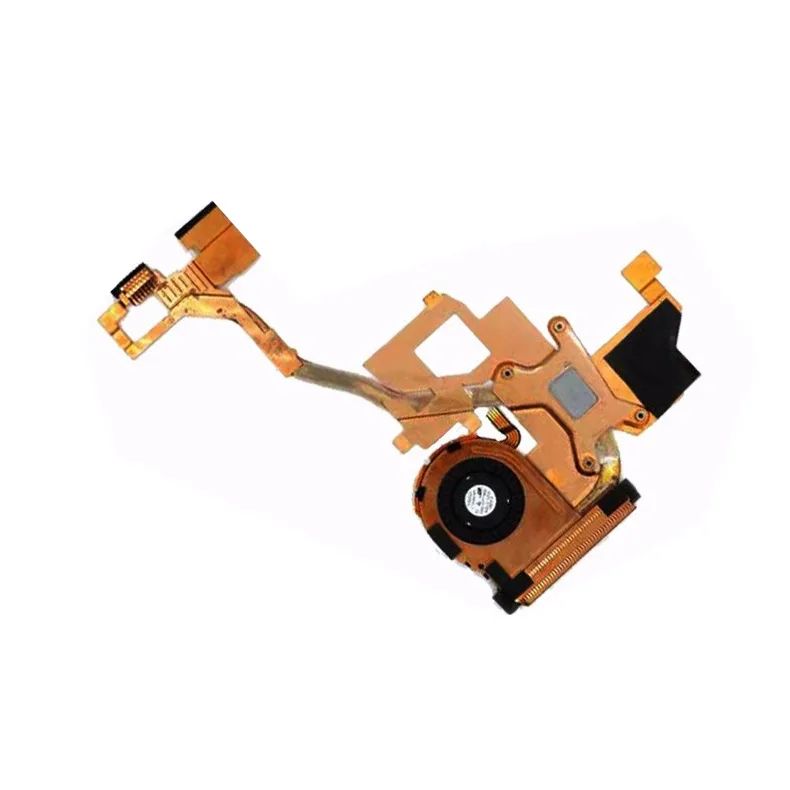
SXDOOL Lenovo X1 Helix UDQFTYH11BFD 0C54109 04X0431 fan heat sink cooling module
$32.99
0.0003915BTC
In stock
Panasonic
Panasonic CF-VDL03UKB 12.1 inch PDRC touchscreen backlit keyboard gadget
$1,521.99
0.01806195BTC
In stock