Accsoon
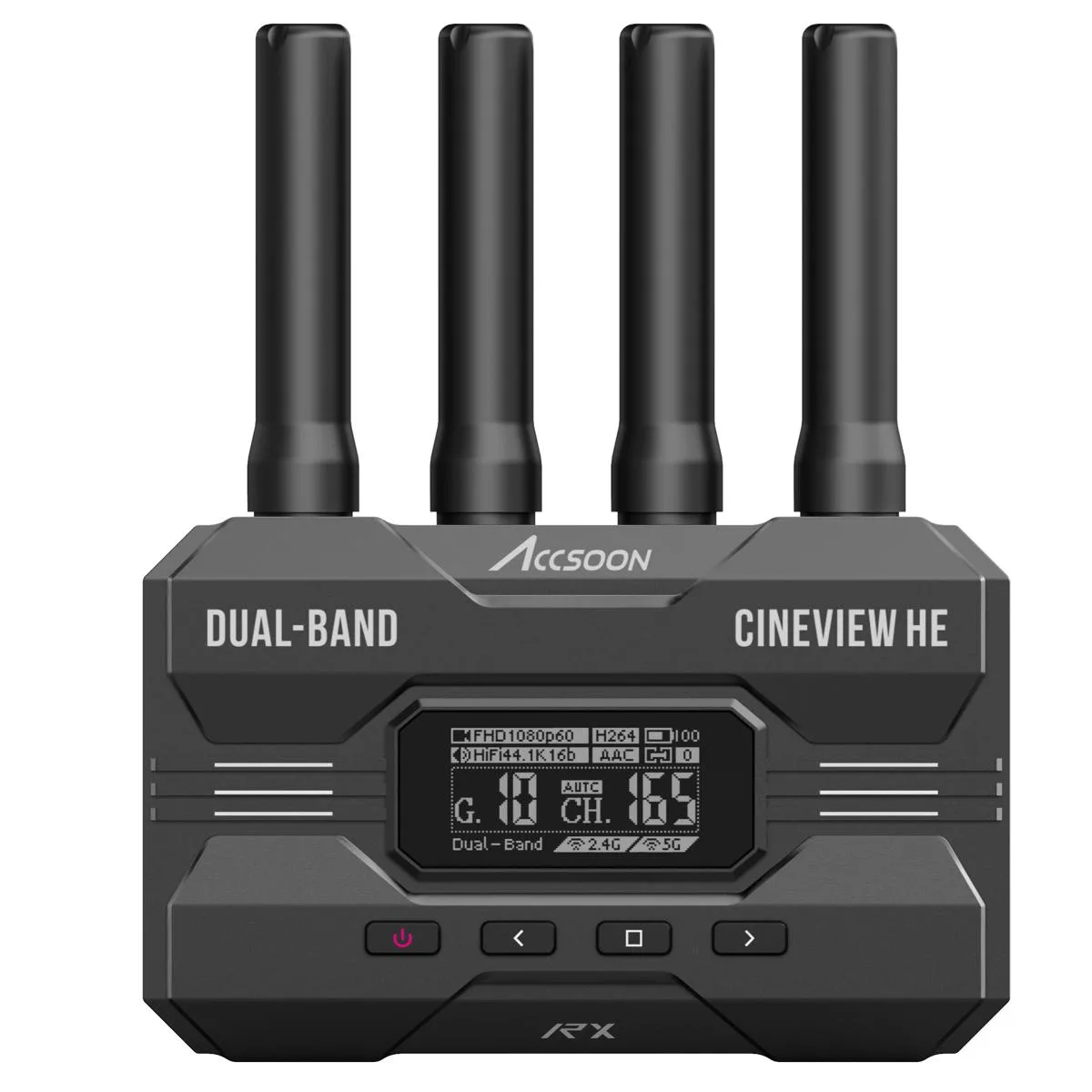
Accsoon CineView SE Multi-Spectrum Wireless Video Transmitter 1200ft 1080p HDMI SDI
$181.99
0.00208922BTC
In stockWe take cryptocurrency — so the coins you hold can buy real hardware.Pay in crypto, spend it on real hardware. Free insured shipping worldwide over $399. Plain, unbranded boxes, sent from Germany.Free insured shipping over $399. Your rate is locked for 30 minutes once checkout opens.Rate locked 30 minutes. Every item sealed, serial-checked and covered by a 24-month warranty.Sealed, 24-month warranty.


Dynamic USB/XLR microphone with 80 dB signal-to-noise ratio, clicky mute button, zero-latency 3.5 mm monitoring, heavy-duty dual-screw desk stand, RGB lighting.
The AOC Dynamic Microphone ACW4710 connects through USB-A/C or XLR so streamers, podcasters and gamers can record straight into a computer or route the signal through an external interface without swapping hardware.
A dynamic capsule rated at 80 decibels signal-to-noise rejects keyboard clatter and fan roar while isolating front-facing vocals within a 2 to 6 inch range for clean capture during live sessions.
A 3.5 mm jack on the microphone body delivers real-time monitoring, while a clicky mute button with red and green LEDs and stepless gain knobs let creators control levels instantly without software delay.
| Brand | AOC |
|---|---|
| Model | Dynamic Microphone ACW4710 |
| Part Number | ACW4710 |
| Color | Black |
| Microphone Signal to Noise Ratio(SNR) | 80 decibels |
The 80 dB signal-to-noise ratio means the microphone's self-noise is very low, so your voice comes through clearly while keyboard clicks and fan hum stay well below the recording level.
USB plugs straight into a PC for instant streaming or chat, while XLR lets you route the mic through an audio interface or mixer for studio-style gain staging and phantom-power-free operation.
The stand has a weighted base and a dual-screw acoustic lock that clamps the shaft firmly, so it resists vibration and stays put on any flat surface without extra hardware.
Also in this aisle
Same shelf, same checkout — eight coins and a 30-minute rate lock.
What you pay in, and what you read prices in.
Sent from your wallet at checkout
Display only — the catalogue is priced in USD
No currency matches that.
Pick the language the site speaks to you in.
No language matches that.
New here?
Already have one?
There is no automatic reset: this shop sends no mail, so there is no one-time link to ask for. Leave the address on the account and it gets picked up by hand.
Request noted
Nothing is on its way to your inbox — this shop sends no mail at all. Someone picks these up by hand.
Remembered it?