


ASUS
ASUS Phoenix GeForce GTX 1650 4GB GDDR6 PH-GTX1650-4GD6-P-V2 graphics card
Entry-level gaming card with 4 GB GDDR6 memory, 128-bit bus and Turing architecture for 1080p play
- InterfacePCI Express 3.0
- Chipset ManufacturerNVIDIA
- GPU SeriesNVIDIA GeForce GTX 16 Series
- GPUGeForce GTX 1650
- Boost Clock1590 MHz
- CUDA Cores896
- GDDR6 memory delivers 50% more bandwidth for high-speed gaming
- Dual ball fan bearings last up to twice as long as sleeve designs
- Auto-Extreme automation enhances manufacturing reliability
- 896 CUDA cores with 1590 MHz boost clock handle modern titles
- Three outputs (HDMI 2.0b, DisplayPort 1.4a, DVI) support multi-monitor setups
Phoenix GTX 1650 with GDDR6 memory
The ASUS Phoenix GeForce GTX 1650 is a dual-slot graphics card built on the NVIDIA Turing architecture. It delivers 896 CUDA cores and a 1590 MHz boost clock for 1080p gaming. The 4GB GDDR6 frame buffer runs on a 128-bit bus at 12000 MHz effective speed. It fits any system with a PCI Express 3.0 x16 slot.
Dual ball bearings and Auto-Extreme assembly
The single axial fan uses dual ball bearings rated to last up to twice as long as sleeve bearing designs. Auto-Extreme automated manufacturing removes hand-soldering variance to improve reliability. GPU Tweak III software adds performance tuning, thermal controls and system monitoring. GeForce Experience handles driver updates, settings optimisation and capture tools.
HDMI 2.0b, DisplayPort 1.4a and DVI outputs
A stainless steel I/O bracket resists corrosion and adds rigidity during installation. The card provides one HDMI 2.0b, one DisplayPort 1.4a and one DVI-D connector for up to three simultaneous displays. DirectX 12 and OpenGL 4.6 support covers modern and legacy titles. The compact form factor suits smaller chassis without blocking adjacent slots.
Highlights
- GDDR6 memory delivers 50% more bandwidth for high-speed gaming
- Dual ball fan bearings last up to twice as long as sleeve designs
- Auto-Extreme automation enhances manufacturing reliability
- 896 CUDA cores with 1590 MHz boost clock handle modern titles
- Three outputs (HDMI 2.0b, DisplayPort 1.4a, DVI) support multi-monitor setups
Specifications
| Brand | ASUS |
|---|---|
| Series | Phoenix |
| Model | PH-GTX1650-4GD6-P-V2 |
| Part Number | 90YV0GX1-M0AA00 |
| Interface | PCI Express 3.0 |
| Chipset Manufacturer | NVIDIA |
| GPU Series | NVIDIA GeForce GTX 16 Series |
| GPU | GeForce GTX 1650 |
| Boost Clock | 1590 MHz |
| CUDA Cores | 896 |
| Effective Memory Clock | 12000 MHz |
| Memory Size | 4GB |
| Memory Interface | 128-Bit |
| Memory Type | GDDR6 |
| DirectX | DirectX 12 |
| OpenGL | OpenGL 4.6 |
| Multi-Monitor Support | 3 |
| HDMI | 1 x HDMI 2.0b |
| DisplayPort | 1 x DisplayPort 1.4a |
| DVI | 1 x DVI |
| Max Resolution | 7680 x 4320 |
| Cooler | Single Fan |
| Thermal Design Power | 75W |
| Recommended PSU Wattage | 300W |
| Power Connector | 6-Pin |
| HDCP Ready | Yes |
| Form Factor | ATX |
| Max GPU Length | 174 mm |
| Slot Width | 2 Slots |
Questions about this item
How long do the dual ball fan bearings last compared to sleeve bearings?
The dual ball fan bearings can last up to twice as long as sleeve bearing designs.
What limits performance first during sustained loads?
The 128-bit memory interface and 4GB GDDR6 frame buffer constrain throughput before the 1590 MHz boost clock becomes the bottleneck.
How much noise and heat does the card produce when running all day?
Dual ball bearings reduce friction noise over time while Auto-Extreme assembly and a stainless steel bracket improve thermal consistency during extended operation.
New to this? How to buy a graphics card with Bitcoin — what to check, what it costs to pay, and what is never asked for.
Also in this aisle
People compared these
Same shelf, same checkout — eight coins and a 30-minute rate lock.


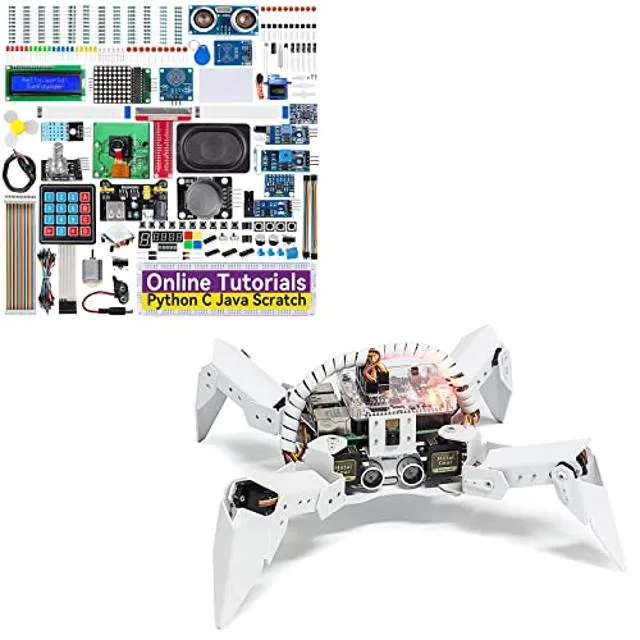
Sunfounder
Sunfounder Raspberry Pi Ultimate Kit with PiCrawler AI Robot 337 components 131 projects
$174.99
0.00210378BTC
In stock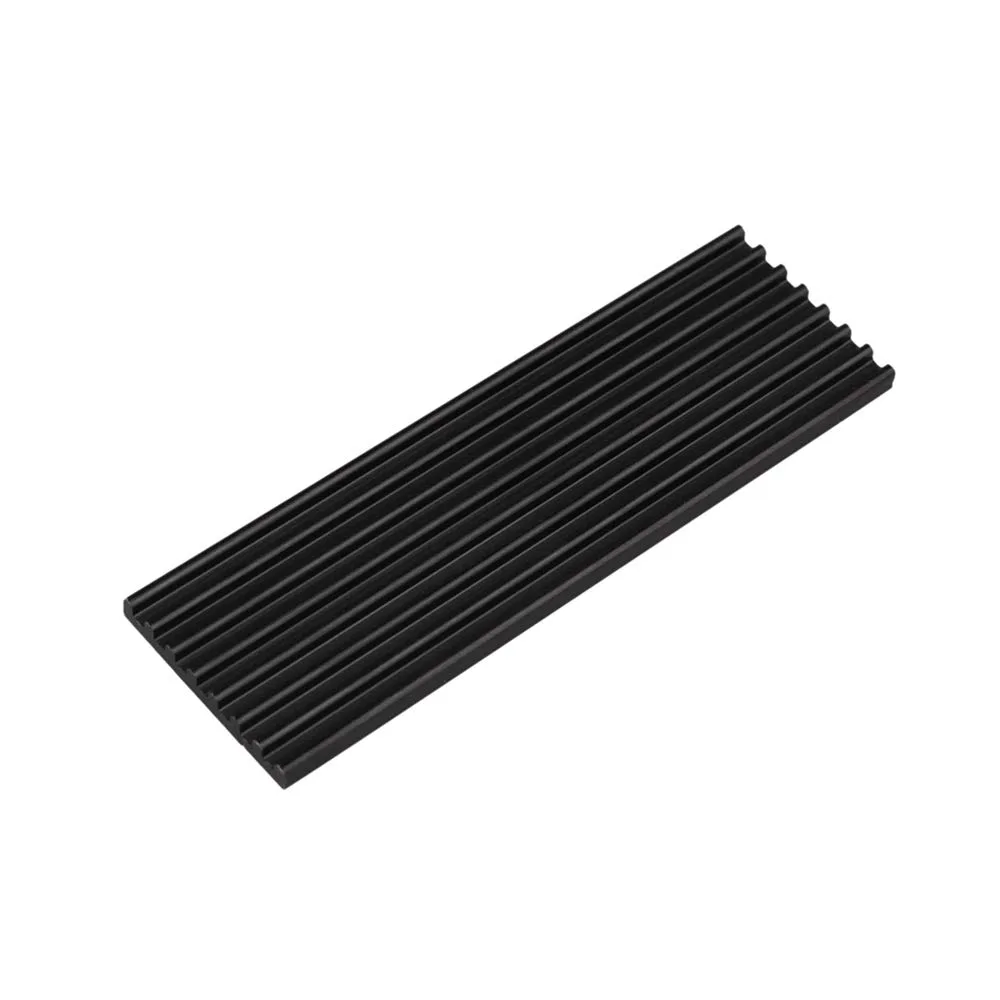
minisforum
minisforum MF-SRP01 SSD Heatsink accessories barebone
- SSD Heatsink
$6.99
0.00008404BTC
In stock